Single-Origin vs Blend Coffee: Which Should You Buy?
Single-origin or blend? One offers traceable character, the other offers consistency. Here is how to decide which belongs in your cupboard.

Walk down any coffee aisle and you will see two words over and over: single-origin and blend. They sound like marketing language, but they describe a real and important difference in what is actually in the bag. Knowing which is which can save you money and help you buy coffee you genuinely enjoy.
What single-origin actually means
Single-origin coffee comes from one place. Sometimes that is a single country, sometimes a single region, and at the top end, a single farm or even a single lot on that farm. Because it is not mixed with beans from anywhere else, single-origin coffee carries the distinct character of where it grew: the altitude, the soil, the climate and the way it was processed.
Jamaica Blue Mountain is a classic example. True Blue Mountain comes from one small, legally defined region in eastern Jamaica and nowhere else. That traceability is part of why 100% Blue Mountain whole beans taste the way they do: smooth, balanced and unmistakably themselves.
What a blend actually is
A blend mixes beans from two or more origins to build a specific, repeatable flavor profile. A roaster blends with intent: a bright African coffee for acidity, a heavier South American one for body, maybe a third for sweetness. The goal is balance and, crucially, consistency. A well-made house blend should taste much the same in January as it does in July, even when the underlying harvests change.
Blends are not lesser coffee. Some of the most established espresso recipes in the world are blends, built deliberately to cut through milk and hold up shot after shot. The trade-off is that you are tasting the roaster's recipe rather than the character of one place. With a single-origin, the farm is the focus. With a blend, the roaster is.
Blends also exist partly to manage cost and supply. By drawing from several origins, a roaster can keep a flavor steady even when one harvest underperforms or a price spikes. That is a real advantage for an everyday coffee. It becomes a problem only when a blend leans on a well-known name to charge more than the contents deserve.
Single-origin vs blend at a glance
| Feature | Single-Origin | Blend |
|---|---|---|
| Source | One place | Multiple origins |
| Flavor | Distinct, expressive | Balanced, consistent |
| Traceability | High | Lower |
| Best for | Tasting origin character | Everyday reliability |
The catch with the word 'blend'
This is where buyers can lose money, especially with premium names. Products labeled "Blue Mountain blend" or "Blue Mountain style" often carry a tempting price. Jamaica's regulator, JACRA, sets a minimum for this: as of its 2018 rules, coffee sold as "Jamaica Blue Mountain Blend" must contain at least 30 percent genuine Blue Mountain coffee, up from a 20 percent minimum under older rules. The rest is other, less expensive beans. That can be a legitimate product, but it is not the same thing as a 100% Blue Mountain coffee, and it should not cost the same.
If a single-origin coffee is the whole point for you, a blend quietly defeats the purpose, and you may end up paying a premium for a bag that is mostly other beans. Our guide on why Blue Mountain coffee is rare explains more about the scarcity behind the price. The honest move from any seller is to state the percentage plainly; if a label avoids the number, treat that as an answer in itself.
How to choose
Ask yourself what you actually want from the cup.
- Choose single-origin when you want to taste a place, explore distinct flavors, or buy a celebrated coffee like Blue Mountain for what makes it special.
- Choose a blend when you want a dependable, consistent everyday cup, especially for espresso or milk-based drinks where balance matters most.
- Read the label closely on anything premium. With Blue Mountain, look for the words 100% Jamaica Blue Mountain, and check the stated percentage on anything sold as a blend.
Our take
There is a place for both in a coffee lover's cupboard. A reliable blend suits busy mornings, and a single-origin suits the cups you actually want to slow down and notice. The two are not rivals so much as tools for different moods. For the slower cup, authentic Blue Mountain is hard to beat, with its smooth body and clean, gentle sweetness. Grind size and water temperature both make a real difference with a coffee this delicate, and a good brewing guide can help you get the most from every bag.
To taste a true single-origin, Mamre Blue's 100% Jamaica Blue Mountain coffee is a good place to start, or read more about sourcing on the about page. Either way, buy from a seller who can tell you exactly where the coffee came from and what percentage is in the bag. That is the whole point of single-origin.
Questions people ask
Is single-origin coffee always better than a blend?
Why are some Blue Mountain blends so cheap?
Is Jamaica Blue Mountain a single-origin coffee?
Was this useful?
From the Mamre Blue range
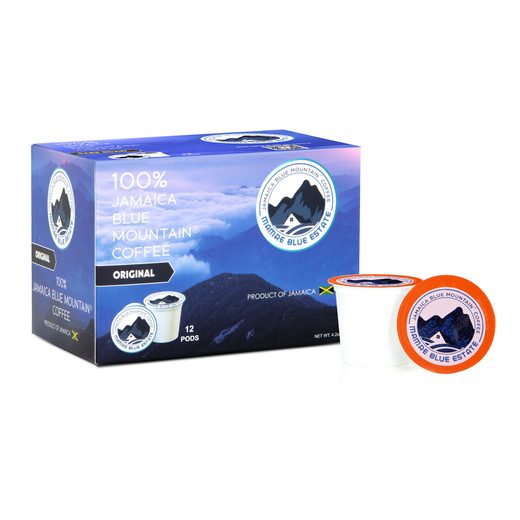
100% Jamaica Blue Mountain
100% Jamaica Blue Mountain Coffee Pods — Original, 12 Count
- Form
- Single-serve pods, roasted and ground
- Size
- 12 pods
- Price
- $25.00 at Mamre Blue
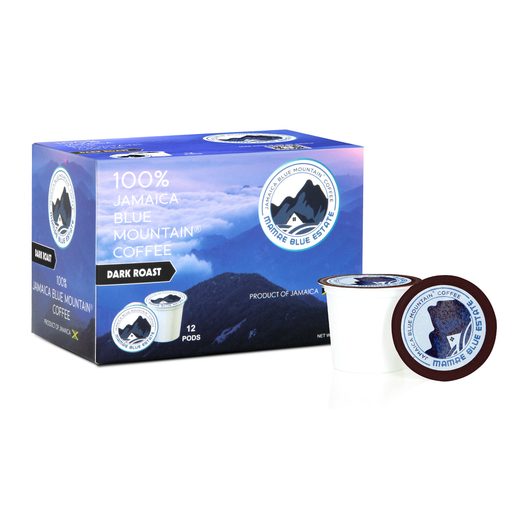
100% Jamaica Blue Mountain
100% Jamaica Blue Mountain Coffee Pods — Dark Roast, 12 Count
- Form
- Single-serve pods, roasted and ground
- Size
- 12 pods
- Price
- $25.00 at Mamre Blue