
Coffee Bean Screen Sizes Explained: AA, Supremo and 17/18
Screen numbers like 17/18 and grades like AA and Supremo all describe bean size. Here is how screen sizing works and what it can and cannot tell you.
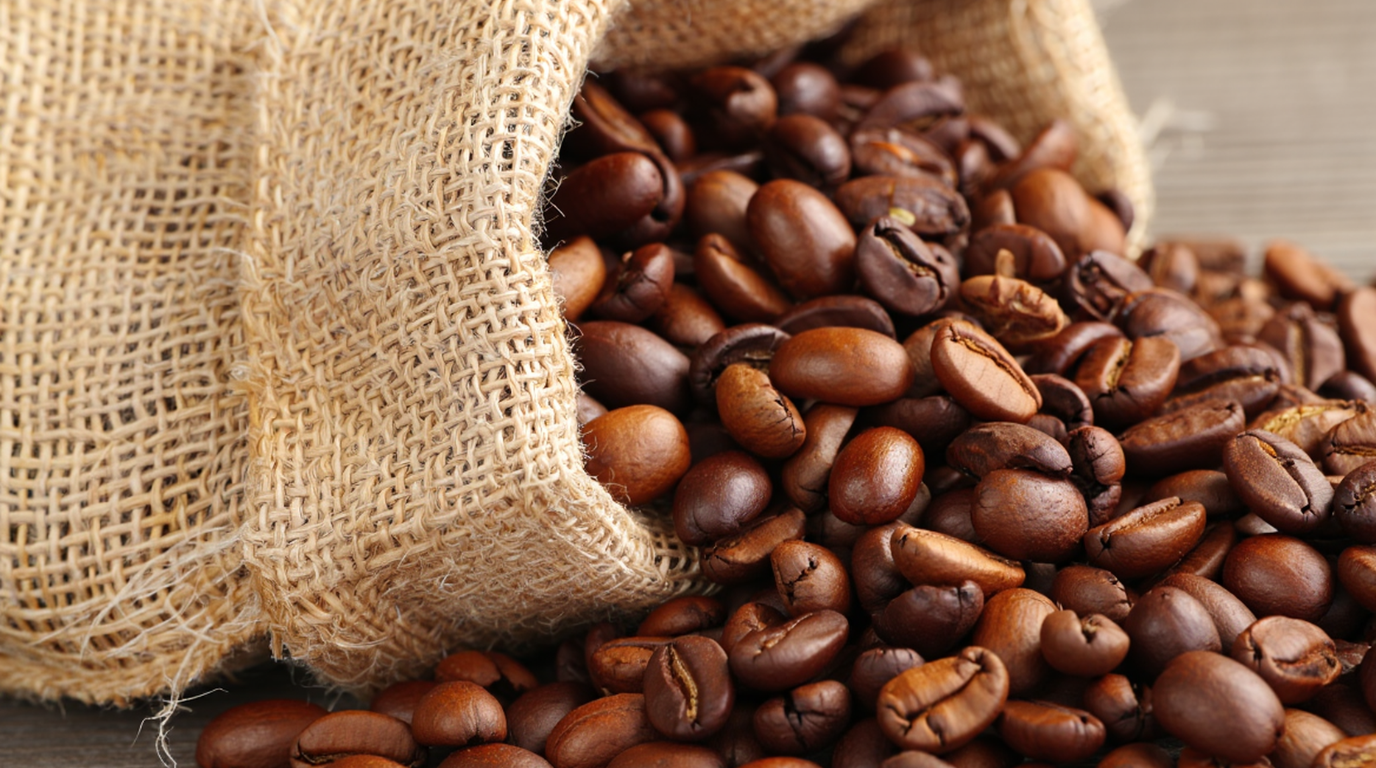
Many coffee labels carry grade names that are really about size: Kenya AA, Colombia Supremo, Brazil 17/18, PNG A-18. These all come from the same tool, a set of perforated metal screens used to sort green coffee beans. Knowing how screen sizing works makes grade names much easier to read, and it helps you avoid a common mistake: assuming bigger beans always make better coffee. This guide explains the system and compares how several origins use it.
How coffee screens work
A coffee screen is a sieve with round holes of a precise size. Green coffee is shaken over a stack of screens, largest holes at the top, and each bean comes to rest on the first screen it cannot pass through. Screen numbers are expressed in 64ths of an inch: a screen 18 has holes 18/64 of an inch across, a little over 7 millimetres, and a bean retained on it is described as screen 18.
Flat beans and round peaberries behave differently, so peaberries are separated and graded on their own, often using screens with oblong slots instead of round holes. Our guide to peaberry vs regular beans covers that fraction.
Screen grades usually come with tolerances. A lot described as screen 17 is not 100 percent screen 17 beans; it allows a small percentage of smaller beans. That is why official descriptions often read like "screen 17, with 5 percent tolerance".
How different origins use screen size
| Origin | Size-based grades | Notes |
|---|---|---|
| Colombia | Supremo, Extra, Europe, Excelso | The Colombian Coffee Growers Federation describes Supremo as screen 17 and Europe as screen 15; Excelso for export is retained above screen 14, with at least half on screen 15 |
| Kenya | AA, AB, C, plus PB for peaberry | AA is the largest size grade; grading also considers density and appearance |
| Brazil | Numbered screens, with flat beans and peaberries sorted separately | Flat beans on screens 17 to 20 are grouped as large; descriptions such as 17/18 are common |
| Papua New Guinea | A, B, Y, Y2, Y3 with a size suffix | Since 2020, a number can be added to the top grades to show screen size, for example A-18 |
| Jamaica Blue Mountain | No. 1, No. 2, No. 3, Peaberry | Grades are based largely on bean size and defects |
Colombia's figures come from the Colombian Coffee Growers Federation (FNC) and the national coffee committee's export rules, which also set a maximum moisture of 12 percent for export coffee. Brazil's screens are part of the national classification set by the Ministry of Agriculture; see Brazil coffee grades explained. Kenya's grades are overseen by the Coffee Directorate of the Agriculture and Food Authority.
Size grades vs altitude grades vs cup scores
Screen size is one of three main ways producing countries grade coffee, and labels mix them freely:
- Size grades such as AA, Supremo or 17/18 describe how big the beans are.
- Altitude grades such as Strictly Hard Bean (SHB) describe how high the coffee was grown. See our overview of high-altitude single origins.
- Defect and cup grades, including specialty cupping scores, describe how clean the coffee is and how it tastes. Our explainer on SCA specialty grading covers those.
A single coffee can carry all three, for example a Colombian Supremo from a high farm that also scores 85 points. Each tells you something different.
Does bigger mean better?
Not necessarily. Larger beans are often associated with healthy plants, good growing conditions and careful sorting, and size grades command a premium in many markets. But size is a physical measure, not a flavour measure. Variety plays a big role: some excellent varieties naturally produce smaller beans, and a small-bean lot from a great farm can taste better than a large-bean lot from an ordinary one. Kenya AB lots, for example, are often just as good in the cup as AA lots from the same washing station.
What size does reliably give you is uniformity. Beans of similar size and density roast more evenly, because small beans would otherwise roast faster than large ones in the same batch. That is why roasters and buyers care about screen size even when they judge quality by cupping. A US Department of Agriculture coffee purchasing specification, for instance, limits "other sized beans" in a green coffee sample to no more than 10 percent by weight, alongside a separate limit on defects.
Reading size grades on a bag
- AA, Supremo, 17/18 or A-18: large, uniform beans. A good sign of careful sorting, not a flavour promise.
- AB, Excelso or 15/16: medium-sized beans. Often excellent coffee and frequently better value.
- PB: peaberry, a shape category rather than a size.
- No size grade at all: common for specialty microlots, which are sold on farm, variety, process and score instead.
Use size grades as one clue among several. Our guide to reading a coffee label shows how they fit with origin, process and roast date.
How to choose
If you are comparing two coffees from the same origin, a larger, more uniform screen grade is a reasonable tiebreaker. If you are comparing different origins or farms, ignore size and look at process, altitude, variety and freshness first. And if you are shopping for Jamaica Blue Mountain, remember that its grades combine size and defects: No. 1 is the largest and most uniform, but a fresh No. 2 can still make a superb cup. Our Blue Mountain buying guide explains what else to check, and our whole bean collection is the place to start.
Sources
- Federación Nacional de Cafeteros de Colombia (FNC)
- Coffee Directorate, Agriculture and Food Authority, Kenya
- USDA Agricultural Marketing Service: Commercial Item Description, Coffee (A-A-20213B)
- Daily Coffee News: new green coffee grading standards from Papua New Guinea (Coffee Industry Corporation)
- Specialty Coffee Association: coffee standards
Frequently Asked Questions
What does screen 17/18 mean on coffee?
Is Colombian Supremo better than Excelso?
Why do coffee grades use bean size?
Was this helpful?
Ready to taste it?
Shop 100% authentic Jamaica Blue Mountain Coffee — whole bean, ground and pods.
Shop Coffee


0 Comments
Be the first to share your thoughts.
Leave a comment
Please sign in with your email to leave a comment.