
Light vs Medium vs Dark Roast Coffee: How to Choose Yours
Roast level shapes flavour more than almost anything else on the bag. Here is what light, medium and dark actually mean, and how to choose between them.

Roast level is the first thing many people look for on a bag of coffee, and for good reason: it changes the cup more than almost any other single choice. Yet the words light, medium and dark are not regulated, and one roaster's medium can look like another's dark. This guide explains what roast level actually measures, how the professional colour scales work, what each level tends to taste like, and how to match a roast to the beans and the brewing method you use.
What roast level actually measures
Roasting is a heat process that turns hard, grassy green coffee into the brown, aromatic beans we grind and brew. As the beans heat up, sugars caramelise, acids break down, aromatic compounds form and the colour moves from tan to brown to nearly black. Roast level is a description of how far that process has gone, and in practice it is judged by colour.
Professionals measure colour rather than guess it. For decades the reference has been the Agtron scale, read by an instrument that shines light on a sample: a higher number means a lighter roast and a lower number a darker one. The Specialty Coffee Association (SCA), working with Agtron, also produced a set of numbered colour tiles so that roasters can compare ground samples by eye. Most roasters do not print these numbers on retail bags, but knowing they exist explains why roast names are only a rough guide.
The four classic roast levels
The clearest public definitions come from a US Department of Agriculture commercial item description for coffee (A-A-20213B), which ties each roast name to an Agtron range and an SCAA colour tile:
| Roast level | Agtron number | SCAA tile | What the beans look like |
|---|---|---|---|
| Light | 80 to 90 | 85 | Light brown, generally no oil on the surface |
| Medium | 50 to 60 | 55 | Medium brown, may show a slight oily surface |
| Moderately dark | 40 to 50 | 45 | Rich dark colour, some surface oil, slight bittersweet aftertaste |
| Dark | 30 to 40 | 35 | Shiny, glossy and oily, with pronounced bitterness |
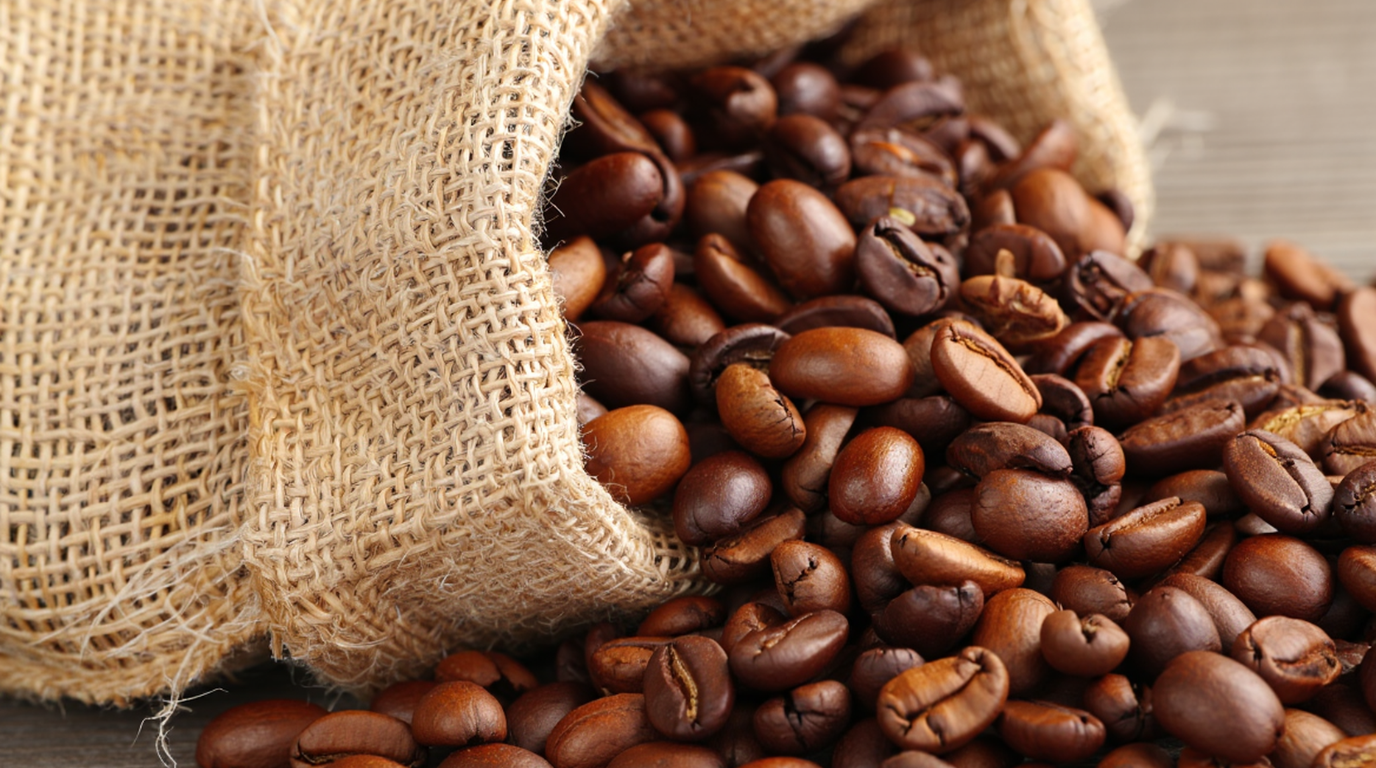
Two practical points follow. First, the visual cues in that table are useful in the shop: oily, glossy beans are a dark roast whatever the label says, and dry, light brown beans are a light roast. Second, many roasters use their own names, such as City, Full City, Vienna, French or Italian, and these traditional names are applied differently from one company to the next. When in doubt, compare roast levels within one roaster's range rather than across brands.
How each roast level tends to taste
Flavour always depends on the beans, the processing and the freshness, so treat these as tendencies rather than rules.
- Light roasts keep the most of what the coffee brought from the farm: origin character, processing style and acidity. Washed coffees taste crisp and clear; naturals taste fruity. Light roasts can also taste thin or sour if they are underdeveloped or under-extracted.
- Medium roasts balance origin character with caramel-like sweetness and fuller body. They are the most versatile level and the one many roasters choose for mild, balanced coffees such as Jamaica Blue Mountain.
- Moderately dark roasts bring more body and bittersweet, cocoa-like notes. Origin differences start to narrow, and acidity becomes less noticeable.
- Dark roasts are dominated by roast flavours: smoke, dark chocolate and bitterness. Coffees from very different origins can taste similar at this level, because the roast speaks louder than the bean.
If you want words for what you notice, the World Coffee Research Sensory Lexicon and our guide to coffee tasting notes give you a shared vocabulary.
Roast level and strength
A common mistake is to treat dark as "strong" and light as "weak". Strength in the cup comes mostly from how much coffee you use for a given amount of water, and from how well it is extracted. A dark roast tastes more intense because of its roast flavours, not because it is a more concentrated brew. If a coffee tastes weak, change the ratio or the grind before you change the roast.
Matching roast to the beans
Good roasters choose a roast level to suit the coffee, and you can use the same logic when you shop.
- Dense, high-grown washed coffees, such as many from Kenya, Ethiopia and Central America, are often roasted light to medium to keep their acidity and aromatics. See our overview of high-altitude single origins.
- Naturals and honeys show their fruit and sweetness best at light to medium roasts. Our comparison of washed, natural and honey coffees explains why.
- Balanced, mild coffees such as Jamaica Blue Mountain usually shine at medium, where sweetness and body are fully developed without masking the coffee's gentle character. Read what Blue Mountain tastes like for more.
- Heavy-bodied, low-acid coffees, such as many Brazilian naturals or Indonesian wet-hulled coffees, are often taken to medium-dark, where their chocolate and earthy notes come forward.
Matching roast to your brewing method
- Pour over and drip reward clarity, so light to medium roasts are the usual choice.
- French press emphasises body, which suits medium to moderately dark roasts.
- Espresso concentrates everything. Medium to moderately dark roasts are easier to dial in; light roasts can be excellent but need a finer grind and more patience. Our notes on espresso with Blue Mountain coffee walk through the process.
- Milk drinks favour roasts with enough body and cocoa notes to cut through milk, typically medium to dark.
Roast level also affects grind. Lighter roasts are denser and harder, so they often need a slightly finer grind to extract fully; darker roasts are more brittle and extract more easily. The grind size chart gives starting points for each method.
Freshness and storage by roast level
Whatever the roast, the roast date matters. Darker roasts have more oil on the surface and more porous beans, so they tend to show staleness sooner once the bag is open. Buy amounts you will finish within a few weeks, keep the bag sealed, and avoid the fridge. Our list of coffee storage mistakes covers the details, and how to read a coffee label shows where to find the roast date.
How to choose your roast level
- You like bright, fruity, tea-like coffee: choose light roasts of washed or natural single origins.
- You want a balanced everyday cup: choose medium. It is the safest starting point if you are unsure.
- You like rich, bittersweet coffee with milk: choose moderately dark.
- You want bold, smoky intensity: choose dark, and buy smaller bags so they stay fresh.
The best test is simple: buy two roast levels of the same coffee from one roaster, brew them the same way and taste them side by side. Our guide to choosing coffee beans for your taste builds on that idea. If you prefer pods, our dark roast pods sit alongside the medium roasts in the shop.
Sources
Frequently Asked Questions
Which coffee roast level is best?
What do Agtron numbers mean for coffee?
Is dark roast coffee stronger than light roast?
Was this helpful?
Ready to taste it?
Shop 100% authentic Jamaica Blue Mountain Coffee — whole bean, ground and pods.
Shop Coffee

0 Comments
Be the first to share your thoughts.
Leave a comment
Please sign in with your email to leave a comment.