
Making Espresso with Blue Mountain Coffee
Blue Mountain is famous for its smooth, mild character, which makes it an unusual but rewarding espresso. Here is how to pull a shot that honors the bean.
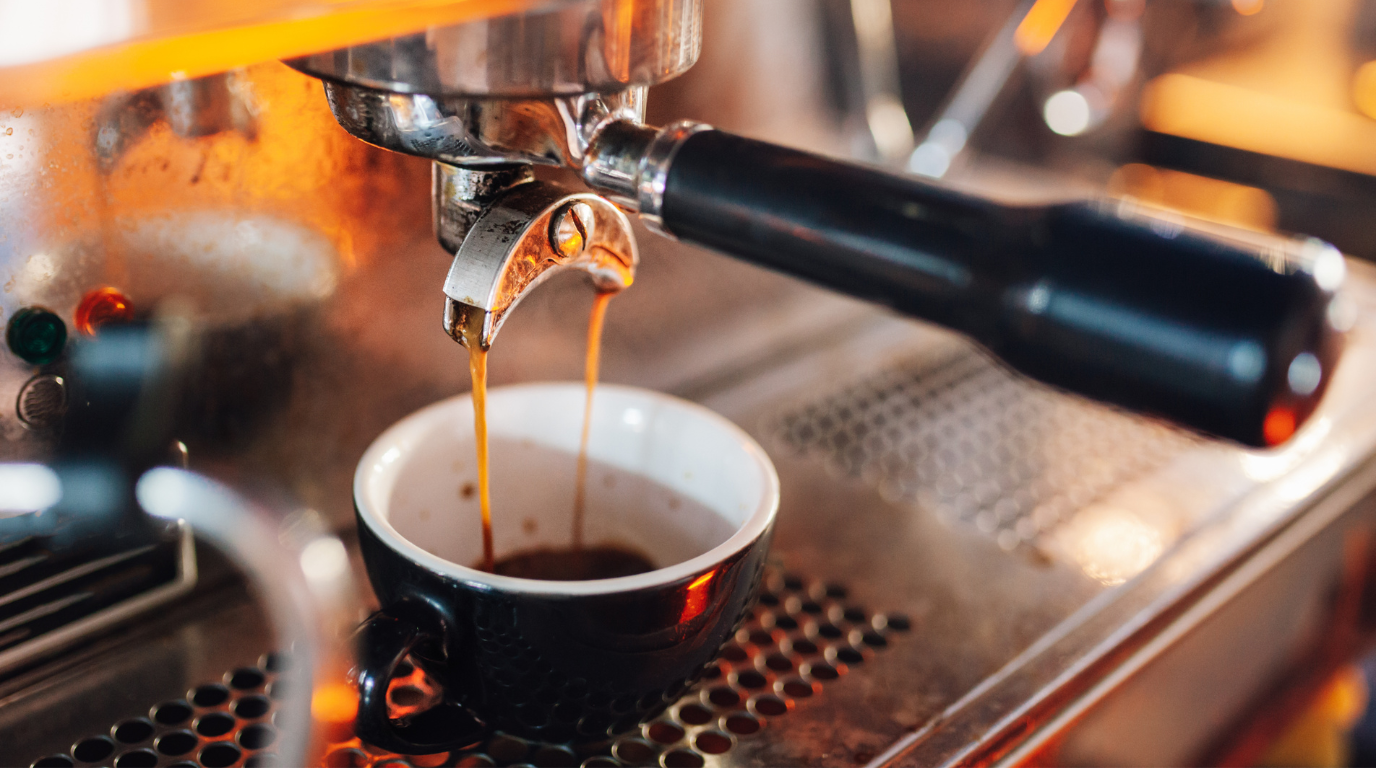
Espresso is coffee under pressure, and pressure exposes everything. A bold dark roast can hide flaws behind smoke and bitterness, but a delicate bean has nowhere to hide. That is what makes Jamaica Blue Mountain such an interesting espresso: its smooth, mild, lightly floral profile produces a sweet, gentle shot when you treat it with care, and a thin, sour one when you do not. This guide covers how to coax the best out of it.
Set Your Expectations First
Blue Mountain is prized for balance rather than intensity, so it will not slam you with the heavy crema and dark cocoa punch of a robusta-heavy blend. Expect a softer body, a clean finish and subtle sweetness. Pulled well, it shines in milk drinks where its delicacy carries through instead of getting buried. If you love an aggressive, syrupy ristretto, this bean asks you to recalibrate what a great shot can taste like.
It helps to think of espresso as a magnifying glass rather than a different drink. It concentrates whatever is in the bean, both the good and the bad. With a coarse blend you might never notice a slightly stale bag or an uneven grind. With a refined single-origin under nine bars of pressure, those small faults arrive in the cup loud and clear. The upside is that the same magnification makes Blue Mountain's natural sweetness and clean finish genuinely striking when everything lines up.
Grind Is the Master Variable
Espresso lives or dies by grind. You want a fine, even grind that creates enough resistance for the machine to build pressure against. A quality burr grinder is not optional here, because espresso is far less forgiving of inconsistent particles than drip or French press. If you cannot grind fresh, our ground Jamaica Blue Mountain works for filter methods, but for espresso the gold standard is grinding whole beans moments before you brew. For a side-by-side look at where espresso sits relative to other methods, see our coffee grind size chart.
Dose, Yield and Time
A standard double shot gives you a dependable framework to start from:
- Dose: 18 grams of coffee in the basket
- Yield: about 36 grams of liquid espresso (a 1:2 ratio)
- Time: roughly 25 to 30 seconds from the first drip
Weigh both the dry dose and the liquid output with a scale. Espresso is a recipe, and you cannot repeat a recipe you never measured. Distribute the grounds evenly and tamp level with firm, consistent pressure so water cannot carve a channel through one weak spot.
Dial In One Change at a Time
Dialing in means adjusting until the shot tastes right. The shot time is your dashboard:
- If the shot gushes out in under 20 seconds, it tastes sour and thin. Grind finer.
- If it drips slowly past 35 seconds, it tastes bitter and dry. Grind coarser.
- Change only grind first, then fine-tune dose and yield once the time is in range.
Because Blue Mountain is gentle, a slightly higher brew temperature, around 200 to 203 degrees Fahrenheit, helps draw out its sweetness without pushing it into bitterness. If your machine allows temperature control, that is a worthwhile lever to experiment with.
Building Milk Drinks
This is where Blue Mountain espresso quietly excels. Its mild character does not fight the milk, so a flat white or cappuccino tastes balanced rather than harsh. Steam milk to a glossy, paint-like microfoam and aim for about 140 to 150 degrees Fahrenheit, hot enough to feel rich but not so hot that it scalds and turns thin. Pour into a warm vessel. If you take espresso to go, an insulated stainless steel cup keeps a latte in its drinking window far longer than a paper cup.
Common Espresso Mistakes
- Stale beans. Espresso magnifies staleness, so freshness matters even more than with filter coffee.
- Inconsistent grind. Uneven particles cause channeling and muddy, unbalanced shots.
- Skipping the scale. Eyeballing dose and yield makes every shot a guess.
- A cold portafilter or cup. Both drop temperature and flatten the cup.
If you are still building your fundamentals, our walkthrough on how to brew the perfect cup covers the water, ratio and freshness habits that underpin every method, espresso included.
Water for espresso machines
Espresso is more sensitive to water than most brewing methods. The machine heats water repeatedly, the passages inside are narrow, and a short, concentrated shot leaves nowhere for off-flavours to hide. Very hard water leaves limescale that can affect temperature stability and eventually block the machine, while very soft or demineralised water can taste flat and is not recommended by some manufacturers. Water with a lot of alkalinity also dulls the gentle acidity that makes Blue Mountain espresso pleasant.
Practical steps are simple. Check your manual for the water range your machine is designed for, check your water's hardness, and use a filter cartridge or jug suited to your water if needed. Refill the tank with fresh water rather than letting it sit for days. If a shot tastes harsh or flat even after you have dialled in the grind, try the same coffee with filtered water before changing anything else. Our guide to the best water for coffee explains the minerals involved, and how to clean your coffee maker covers descaling when it is needed.
To check your progress, taste your espresso beside the same beans brewed as a simple cupping, as described in how to cup coffee at home. The cupping shows the coffee's natural character, so you can tell whether your shot is bringing it out or hiding it.
Compare and choose
Deciding between a single origin and a blend for espresso? Read single origin vs blend coffee, and for how Blue Mountain compares with another famous premium coffee, see Geisha vs Blue Mountain.
Espresso with a fine bean is a craft of small margins, and Blue Mountain rewards patience with a cup that is elegant rather than overpowering. Ready to start pulling shots? Pick up fresh beans in our shop and dial in your first recipe this weekend.
Frequently Asked Questions
Is Blue Mountain Coffee good for espresso?
What espresso ratio should I start with?
Why does my espresso taste sour?
What water should I use in an espresso machine?
Was this helpful?
Ready to taste it?
Shop 100% authentic Jamaica Blue Mountain Coffee — whole bean, ground and pods.
Shop Coffee


0 Comments
Be the first to share your thoughts.
Leave a comment
Please sign in with your email to leave a comment.