
How to Brew the Perfect Cup of Coffee at Home, Step by Step
Great coffee at home comes down to a few controllable variables. Get water, ratio, grind and time right and a delicate bean rewards you every morning.

A perfect cup is not luck. It is a short list of variables that you control every morning: the beans, the water, the ratio, the grind and the time the two spend together. Master those five and even a modest brewer turns out coffee that tastes clean, sweet and balanced. With a delicate single-origin like Jamaica Blue Mountain, the payoff is even bigger, because the cup has nuance worth protecting.
Start With Fresh, Well-Stored Beans
Flavor begins to fade the moment coffee is roasted, and it drops off sharply once beans are ground. Buy whole beans, grind only what you need, and use them within a few weeks of the roast date. If you keep beans on the counter in a clear jar by the window, you are losing aroma to light and air. For the full list of habits that quietly wreck good coffee, see our guide to coffee storage mistakes.
Our whole bean Jamaica Blue Mountain is roasted to keep that signature mild, almost floral character intact, which is exactly the kind of profile that suffers most from stale handling.
Water Is 98 Percent of Your Cup
If your tap water tastes like a swimming pool, your coffee will too. Use filtered water with a clean, neutral taste. Distilled and softened water both make flat, hollow coffee, because brewing actually needs a little mineral content to pull flavor from the grounds. Heat the water to roughly 195 to 205 degrees Fahrenheit, which is just off the boil rather than at a rolling boil. No thermometer needed: switch the kettle off the instant it boils and pour while the bubbles are still settling.
Nail the Coffee-to-Water Ratio
Most thin, sour coffee is simply under-dosed. The cleanest way to dial it in is by weight: aim for around 60 grams of coffee per litre of water, the ratio most roasters treat as the sweet spot. If all you have is spoons you are in the neighborhood at two tablespoons per mug, but a small kitchen scale takes out the guesswork and is the single best upgrade most home brewers can make.
- Lighter cup: 1:17 (one part coffee to seventeen parts water)
- Balanced cup: 1:16
- Stronger cup: 1:15
Adjust the ratio to taste, but change one variable at a time so you actually learn what each tweak does.
Match Grind to Your Brewer
Grind size controls how fast water moves through the coffee, which controls extraction. Too coarse and the water rushes past, leaving a weak, sour cup. Too fine and it stalls, pulling out bitter, harsh notes. Each method has a sweet spot: a French press wants coarse grounds, a drip machine wants medium, and espresso wants fine. A burr grinder gives you the consistency that makes any of this repeatable. Our coffee grind size chart lays out the right setting for every common method.
A Simple Pour-Over Walkthrough
Pour-over is the easiest way to taste exactly what your beans can do. Here is a clean routine for a single mug:
- Weigh out 22 grams of coffee and grind to medium.
- Rinse the paper filter with hot water, then discard that water. This removes papery taste and warms the dripper.
- Add the grounds, then pour just enough water to wet them all, about 45 grams. Wait 30 to 45 seconds for the bloom, the gentle swelling that releases trapped gas.
- Pour the rest in slow, steady circles up to roughly 360 grams of total water.
- Aim for a total brew time of two and a half to three minutes.
If the cup tastes sour and weak, grind finer or add more coffee. If it tastes harsh and dry, grind coarser. Small, deliberate changes get you to a cup you genuinely look forward to. The bloom is worth respecting rather than rushing, because skipping it traps gas that pushes water away from the grounds and gives you an uneven brew. A few seconds of patience there pays off in a noticeably rounder, sweeter cup.
Don't Forget the Cup and the Cleanup
A cold mug drops your coffee out of its tasting range within a minute. Pre-warm the cup with hot water, or pour into something that holds heat like an insulated stainless steel cup. Finally, residue from old coffee oils turns rancid and taints every future brew, so rinse your gear after each use and deep clean it regularly.
If the cup still tastes wrong
Even with fresh beans and good water, the first few brews with a new coffee rarely taste perfect. Use the cup itself as your guide and change one thing at a time:
| What you taste | Likely cause | First thing to try |
|---|---|---|
| Heavy, harsh, bitter | Too much coffee for the water, or over-extraction | Use a little less coffee, then grind slightly coarser |
| Thin, sharp, sour | Under-extraction | Grind finer or extend the brew slightly |
| Sour and bitter at once | Uneven grind or uneven pouring | Use a burr grinder and pour in steady circles |
| Flat, papery, little aroma | Stale coffee or unrinsed filter | Check the roast date and rinse the filter |
| Wild bubbling, uneven bed | Very freshly roasted coffee still full of gas | Lengthen the bloom or let the beans rest a few days |
Research from the University of California, Davis suggests that brew strength, set mainly by your coffee-to-water ratio, is closely linked to bitterness, so it is worth checking the ratio before you blame the grind. Our guide to why coffee tastes bitter or sour goes through each cause in detail, and coffee degassing explained covers how long beans should rest after roasting.
Compare and choose
Great technique starts with the right beans. Our guide to choosing coffee beans for your taste matches beans to brew methods, and washed vs natural vs honey coffee explains how processing changes what ends up in your cup.
Dial in these basics and the rest is enjoyable fine-tuning. When you are ready to taste the difference good technique makes, browse the full range in our shop.
Frequently Asked Questions
What is the ideal coffee-to-water ratio for a balanced cup?
How hot should the water be for brewing coffee?
Do I really need a scale to brew good coffee at home?
Why does my coffee taste bitter even with good beans?
Was this helpful?
Ready to taste it?
Shop 100% authentic Jamaica Blue Mountain Coffee — whole bean, ground and pods.
Shop Coffee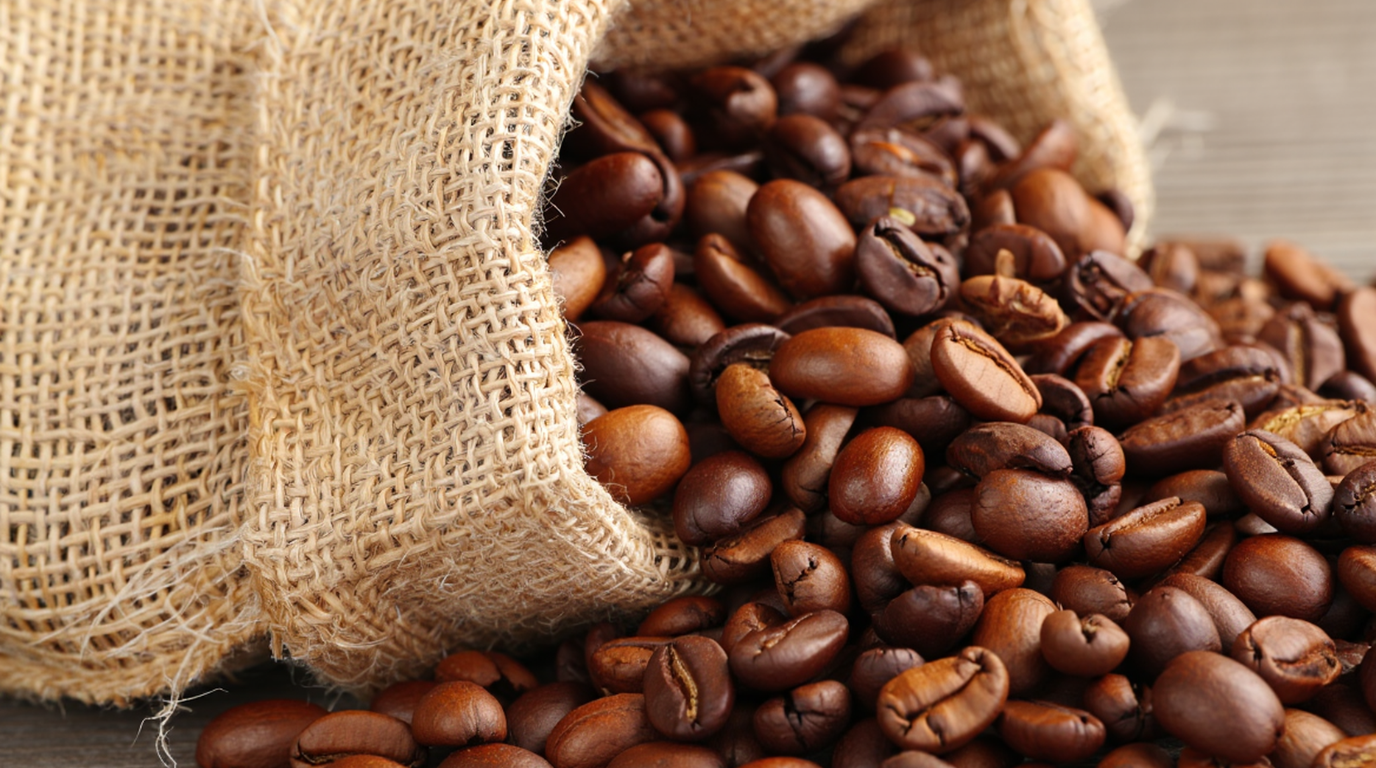


0 Comments
Be the first to share your thoughts.
Leave a comment
Please sign in with your email to leave a comment.