
How to Clean Your Coffee Maker (and Why It Matters)
Two enemies build up inside every coffee maker: rancid oils and limescale. A simple cleaning routine protects both your coffee and your machine.

You can buy excellent beans, grind them fresh and measure every gram, then have a dirty machine quietly undo all of it. Two things accumulate inside a coffee maker over time, and both degrade your cup. The first is coffee oil residue, which goes rancid and adds a stale, bitter taste. The second is limescale, the chalky mineral buildup from hard water that clogs tubes, slows brewing and lowers brew temperature. Cleaning is not housekeeping for its own sake. It is flavor maintenance.
The frustrating part is that these problems creep in slowly. Your coffee does not turn bad overnight. It drifts a little staler and a little flatter each week until one day you wonder why a brand you used to love no longer tastes the way you remember. Often the beans are fine and the machine is the culprit. A regular routine keeps that drift from ever starting.
Why a Dirty Machine Ruins Good Coffee
Every brew leaves a film of oil on the carafe, basket and internal parts. Fresh, that oil carries aroma. Days later it has oxidized into something sour and musty that taints the next pot. Limescale is more insidious because you cannot see it. As it coats the heating element and water lines, your machine struggles to reach the 195 to 205 degree range that proper extraction needs, so even a perfect ratio brews flat and under-extracted. A clean machine is the only way the work you put into brewing a great cup actually reaches your mug.
Daily and Weekly Habits
Most buildup is prevented, not scrubbed away. Build these into your routine:
- After each brew, discard the grounds and rinse the basket and carafe with hot water.
- Leave the lid or reservoir open to air out, since trapped moisture grows mold and mustiness.
- Once a week, wash the removable parts with warm soapy water, then rinse thoroughly so no soap taste lingers.
- Wipe down the warming plate and exterior to keep dried splatter from baking on.
How to Descale Your Coffee Maker
Descaling removes mineral buildup and should be done regularly, even if the machine looks clean. White vinegar is the cheapest method, though a commercial descaler is gentler on some machines, so check your manufacturer's guidance first.
- Fill the reservoir with a mix of equal parts white vinegar and water.
- Run a brew cycle until about half the solution has passed through, then pause and let it sit for 30 to 60 minutes so the acid dissolves scale.
- Finish the cycle, then discard the solution.
- Run two to three full cycles with fresh, clean water to rinse out any vinegar taste before brewing coffee again.
If your water is hard, descale more often. Using filtered water from the start slows scale dramatically and improves taste at the same time. You can gauge your water roughly by looking at your kettle or showerhead: heavy white crust means hard water and a faster descaling schedule. A few signs tell you a machine is overdue regardless of the calendar. Brewing takes noticeably longer than it used to, the machine sputters or sounds strained, the coffee comes out cooler, or you spot flaky white deposits in the reservoir. Any of those means scale has taken hold and it is time to run a cycle.
A Simple Cleaning Schedule
| Task | How Often |
|---|---|
| Rinse basket and carafe | After every brew |
| Wash removable parts with soap | Weekly |
| Descale with vinegar or descaler | Every 1 to 3 months |
| Replace water filter (if equipped) | Per manufacturer |
Other Brewers Need Care Too
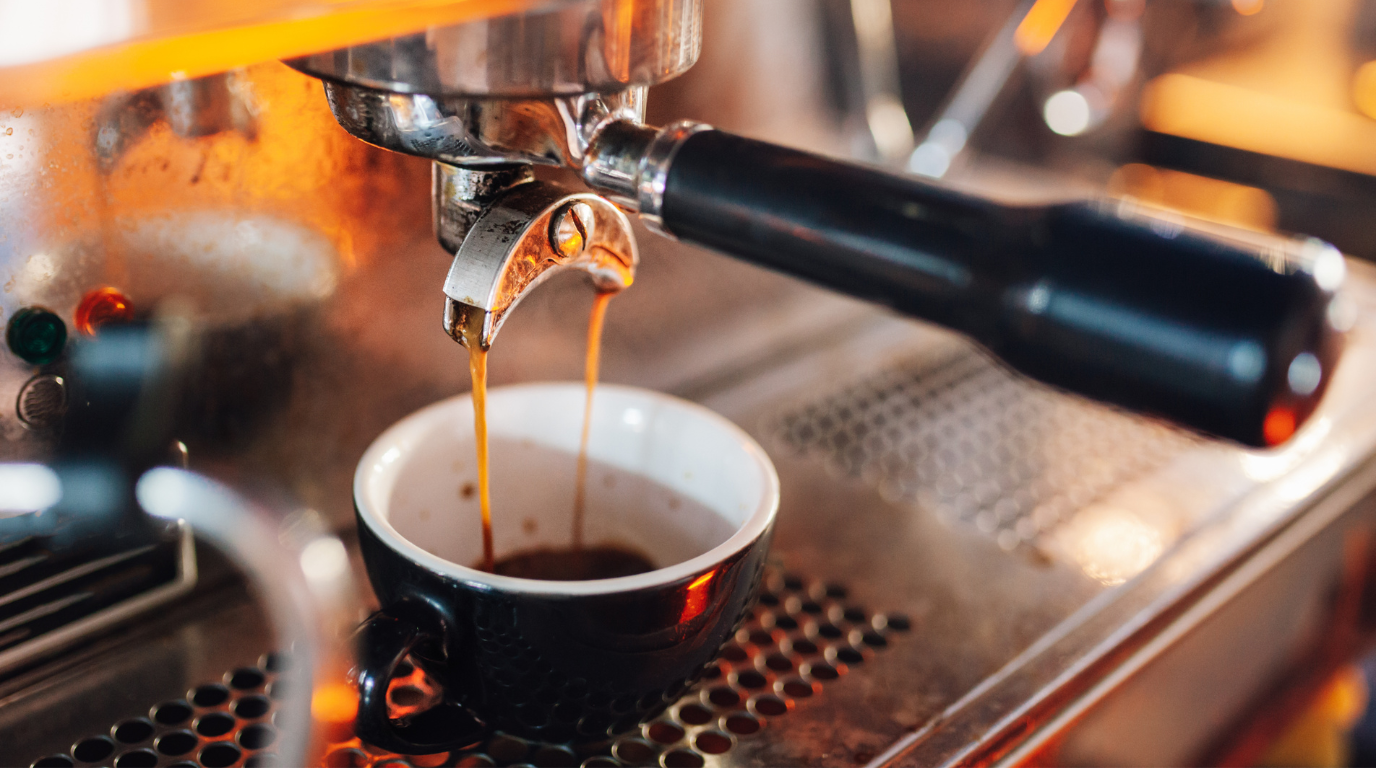
The principle holds across methods. A French press plunger traps oils in its mesh, so disassemble and scrub it. A pour-over dripper and reusable filter collect residue that turns sour. Espresso machines need their group head and portafilter backflushed and wiped down, since pressure drives oils deep into the brew path. Even an insulated cup develops a film if you only rinse it, so wash it with soap regularly. Pod machines benefit from a periodic descale and a wipe of the needle and pod holder, and they pair naturally with our Blue Mountain Coffee pods.
Prevent scale at the source: your water
Descaling removes limescale, but the water you put in decides how quickly it comes back. Hard water contains dissolved calcium and magnesium, and when it is heated those minerals settle as scale on heating elements, in pipes and around shower screens. Scale makes a machine slower, can stop it reaching the right brewing temperature, and in espresso machines can block small passages entirely.
A few habits reduce scale without changing your coffee for the worse:
- Check your water hardness. Your water supplier's annual report or an inexpensive test strip will tell you whether your water is soft, moderate or hard.
- Use a scale-reducing filter if your water is hard, or follow your machine maker's guidance on filter cartridges.
- Do not switch to pure distilled water unless your manual says it is suitable. Water with almost no minerals tastes flat in coffee, and some manufacturers advise against it.
- Empty the reservoir daily and refill with fresh water, rather than topping up and reheating the same water.
Better water also means better tasting coffee. Our guide to the best water for coffee explains how minerals, alkalinity and chlorine affect the cup and how to find a balance that suits both your coffee and your machine.
Compare and choose
A clean machine lets the character of good beans come through. To choose beans worth tasting clearly, see how to choose coffee beans for your taste and how to read a coffee label.
The Payoff
A clean machine brews at the right temperature, tastes neutral instead of stale, and lasts years longer. Pair good maintenance with proper bean handling, covered in our guide to coffee storage mistakes, and you protect flavor from every angle. When your equipment is ready to do justice to the beans, stock up in our shop.
Frequently Asked Questions
How often should I descale my coffee maker?
Can I clean my coffee maker with vinegar?
Does a dirty coffee maker really affect the taste?
Does filtered water reduce the need to descale?
Was this helpful?
Ready to taste it?
Shop 100% authentic Jamaica Blue Mountain Coffee — whole bean, ground and pods.
Shop Coffee

0 Comments
Be the first to share your thoughts.
Leave a comment
Please sign in with your email to leave a comment.