
Coffee Grind Size Chart: Match Grind to Brew Method
Grind size is the lever that quietly decides if your coffee tastes sweet or sour. This chart matches the right grind to every common brew method.

Of all the variables in brewing, grind size is the one most people set once and forget, and it is also the one that quietly decides whether a cup tastes sweet and balanced or thin and bitter. Grind controls how much surface area the water touches and how fast it flows through the bed of coffee, which together drive extraction. Get it wrong and even premium beans disappoint. Get it right and ordinary equipment punches above its weight.
Why Grind Size Changes the Taste
When water meets coffee, it dissolves flavor compounds in a rough order: bright and acidic first, then sweet and balanced, then bitter and harsh. Finer grounds expose more surface and slow the flow, so water extracts more. Coarser grounds expose less and let water pass quickly, so water extracts less. Your goal is the middle: enough extraction for sweetness and body, not so much that bitterness takes over.
- Sour, weak, watery cup: usually under-extracted. Grind finer.
- Bitter, dry, hollow cup: usually over-extracted. Grind coarser.
Two cups can share the same beans, ratio and water and still taste completely different because the grind moved the extraction window. Once you internalize that grind is a flavor dial rather than a fixed setting, troubleshooting a bad cup becomes a quick, logical process instead of a frustrating guessing game.
The Grind Size Chart
Use this as your starting map, then fine-tune by taste. Texture comparisons are the most practical guide when your grinder has no numbers.
| Brew Method | Grind Size | Feels Like |
|---|---|---|
| Cold brew | Extra coarse | Peppercorns |
| French press | Coarse | Sea salt |
| Chemex / pour-over (large) | Medium-coarse | Coarse sand |
| Drip machine | Medium | Table salt |
| Pour-over (cone) / AeroPress | Medium-fine | Fine sand |
| Espresso | Fine | Powdered sugar |
| Turkish | Extra fine | Flour |
Why a Burr Grinder Matters
A blade grinder chops beans unevenly, producing a mix of dust and boulders. The dust over-extracts and turns bitter while the boulders under-extract and stay sour, all in the same cup. A burr grinder crushes beans to a uniform size, which is the foundation of consistent, repeatable coffee. If you are serious about taste, a burr grinder is the most impactful upgrade after fresh beans. Speaking of which, grinding whole beans just before brewing preserves far more aroma than buying pre-ground.
Burr grinders come in two styles. Flat burrs tend to deliver a very uniform grind prized for clarity, while conical burrs are common in home machines and run cooler and quieter. Either one beats a blade. What matters most is consistency at the size you actually use, so a grinder with clear, repeatable settings is worth more than one with an impressive spec sheet. Whatever you own, keep the burrs clean, because stale grounds and oil residue build up inside and drag down both flavor and grind accuracy over time.
Matching Grind to Method in Practice
Each method has a sweet spot because each uses a different contact time and brewing pressure:
- Long contact, no pressure (cold brew, French press) needs coarse grounds so the extended soak does not over-extract.
- Medium contact (drip, pour-over) needs medium grounds for a balanced two-to-four-minute brew.
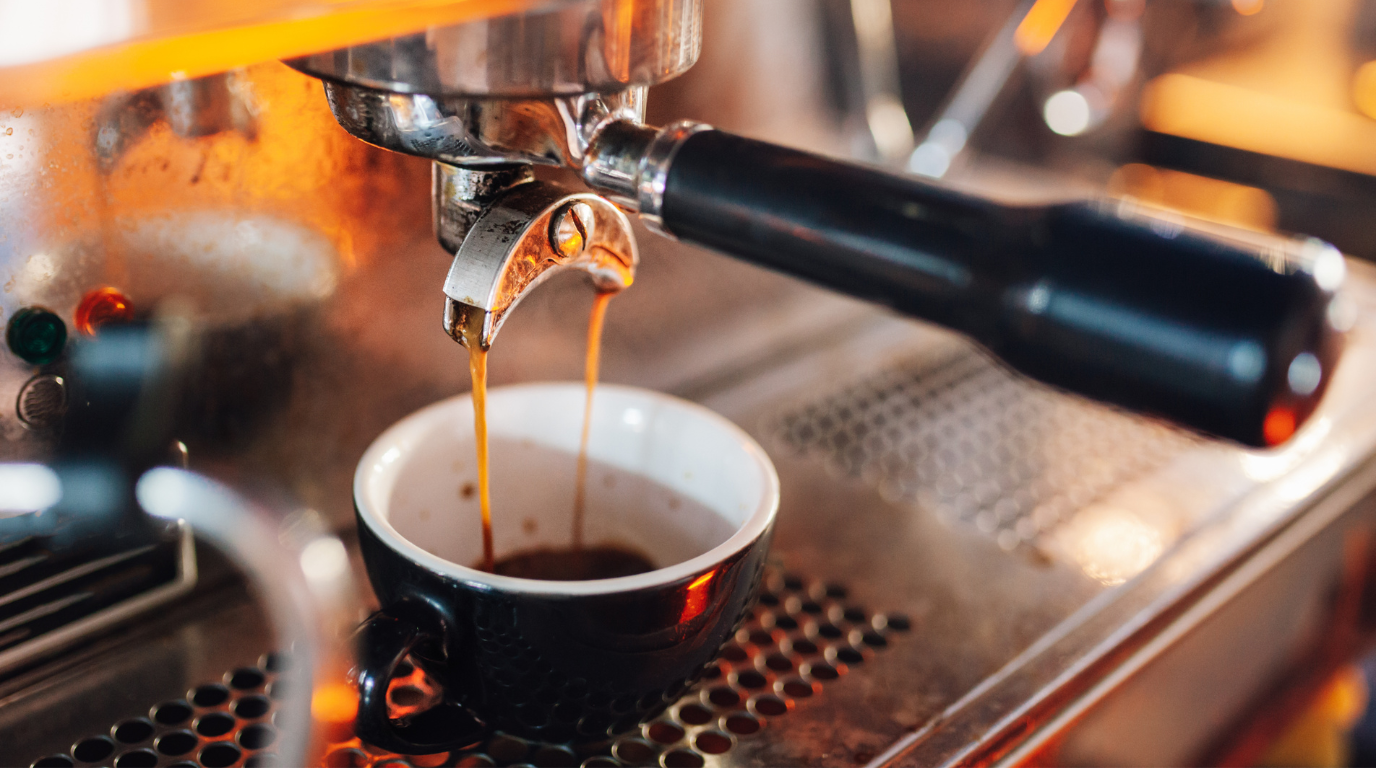
- Short contact, high pressure (espresso) needs fine grounds to create resistance and extract in under thirty seconds.
For the full espresso recipe and how grind interacts with dose and shot time, see our guide to making espresso with Blue Mountain Coffee.
Contact time also explains why the same setting rarely transfers between brewers. A grind that pours a clean three-minute drip will choke a fast pour-over and run far too quick through an espresso basket. Treat each method as its own recipe with its own grind, and once you find the setting that tastes right, write it down so you are not rediscovering it every morning.
How to Dial In
Adjust grind in small steps and change only one variable at a time. Brew a cup, taste it, and decide whether it leans sour or bitter, then nudge the grind in the corrective direction and brew again. Within a few rounds you will land on a setting that tastes clean and sweet, and you can note it for that brewer. A delicate single-origin like Jamaica Blue Mountain shows these adjustments clearly, which makes it a great bean to practice on. If you would rather skip grinding for a particular method, our pre-ground coffee is set for standard drip.
Grind for short and long espresso shots
Within espresso itself, grind interacts with shot length. A ristretto uses the same dose of coffee as a normal shot but about half the water, so baristas often grind slightly finer to keep the shorter shot from running too fast. A lungo uses about twice the water, so a slightly coarser grind can stop the long shot from turning harsh and drying. Our guide to ristretto vs espresso vs lungo explains the ratios and how each shot tastes.
When grind is not the problem
Grind is a powerful dial, but it is not the only one. If you have changed the grind several times and the cup still tastes wrong, check these before reaching for the grinder again:
- Ratio. Research from UC Davis links brew strength, set mainly by how much coffee you use, closely to bitterness. A cup that is too strong can taste bitter at any grind.
- Immersion brewers. In a French press, a 2021 study found that the extraction reached at the end of brewing was largely insensitive to grind size, so the ratio is the more effective setting.
- Freshness. Very fresh coffee full of carbon dioxide extracts unevenly; see coffee degassing explained.
- Water and cleanliness. Chlorinated water and old coffee oils in the brewer add flavours no grind setting can fix.
Our troubleshooting guide, why does my coffee taste bitter or sour, takes you through each of these in order.
Compare and choose
Grind is only half the equation; the beans matter too. Our guide to choosing coffee beans for your taste matches origins and roasts to brew methods, and high-altitude single origins compared explains how to adjust grind for dense, high-grown beans.
Grind is the dial that ties every other choice together. Once you understand the relationship between grind, time and taste, you stop guessing and start adjusting with intent. For the rest of the fundamentals, read how to brew the perfect cup, and when you need fresh beans to dial in, visit our shop.
Frequently Asked Questions
What grind size should I use for a drip coffee maker?
Why does grind size change how my coffee tastes?
Is a burr grinder worth it over a blade grinder?
Should I grind finer for a ristretto?
Was this helpful?
Ready to taste it?
Shop 100% authentic Jamaica Blue Mountain Coffee — whole bean, ground and pods.
Shop Coffee

0 Comments
Be the first to share your thoughts.
Leave a comment
Please sign in with your email to leave a comment.