
What Does Jamaica Blue Mountain Coffee Taste Like?
Smooth, gently sweet and famously low in acidity — here is what a cup of authentic Jamaica Blue Mountain Coffee actually tastes like, and why.

People who try Jamaica Blue Mountain Coffee for the first time often pause after the first sip. They expect the sharp, roasty hit of a typical morning cup and instead find something rounder and quieter. The flavor is there in full, but it arrives without the rough edges. That softness is the whole point, and it is no accident.
The first impression: smooth and clean
The word that comes up again and again is smooth. A well-brewed Blue Mountain cup has a silky, medium body that coats the tongue without feeling heavy. There is almost no bitterness and very little of the sour bite that lower-grown coffees can carry. The result reads as clean — each flavor is distinct rather than muddled together, which is one reason the coffee is so easy to drink black.
The core flavor notes
Underneath that smoothness sits a gentle, natural sweetness. Tasters most often describe a few recurring notes:
- Milk and dark chocolate — a soft cocoa character that runs through the cup
- Toasted nuts — almond and hazelnut tones, especially in a medium roast
- Brown sugar and caramel — a rounded sweetness rather than a sugary one
- A faint floral or herbal lift in the aroma, a quiet reminder of the misty slopes it grew on
The finish is one of the coffee's signatures: long, clean and mellow, fading gently instead of turning dry or harsh.
Why it tastes the way it does
Flavor in coffee starts on the farm, and the Blue Mountains give this bean an unusual head start. The certified growing region sits high above eastern Jamaica, often wrapped in cloud, with cool air and deep mineral-rich mountain soil. Up at that altitude the cherries take their time on the branch, and that long, unhurried ripening is what packs in the sugars and tames any sharpness before the bean is ever picked. Careful hand-picking and meticulous sorting then remove the defects that create off-flavors. By the time the green bean reaches the roaster, much of the work is already done.
What it is not
It helps to set expectations. Blue Mountain is not a loud, fruit-bomb coffee in the style of some bright African beans, nor is it a smoky, intense dark roast. People chasing aggressive acidity or heavy char sometimes mistake its restraint for blandness. Spend a little time with it and the opposite becomes clear: the subtlety is the luxury. There is real depth here; it simply does not shout. If you want to understand why collectors pay what they do, our guide on whether Jamaica Blue Mountain Coffee is worth it goes deeper, and the piece on why Blue Mountain Coffee is rare explains the scarcity behind the price.
How roast and brew change the cup
The same bean can show different faces depending on how it is handled. A medium roast keeps the most nuance — the nutty, lightly sweet, floral side of the coffee. A darker roast trades some of that delicacy for a fuller body and deeper cocoa and caramel tones, while the natural low acidity keeps it from turning bitter.
Brewing matters just as much. A pour-over or drip highlights clarity and the cleaner notes, while a French press gives you more body and a heavier mouthfeel. For the freshest expression of all, grind whole beans just before brewing. If convenience wins on a given morning, the ground coffee delivers the same character with no grinder required. Either way, our brewing guide walks through the details.
What to eat alongside it
Because the cup is so balanced, it flatters food rather than fighting it. The chocolate and nut notes pair naturally with baked goods, while the low acidity keeps it gentle on the palate between bites. A few easy matches:
- Buttery pastries and shortbread — the coffee's sweetness echoes the butter
- Dark chocolate — a near-perfect pairing that amplifies the cocoa notes
- Toasted nuts or almond cake — they lean into the bean's nutty side
- Fresh fruit — a bright contrast to the coffee's mellow body
Keep accompaniments simple, though. Strongly spiced or very sweet foods can overpower a coffee this delicate, and the whole pleasure of the cup is its subtlety.
Tasting it for yourself
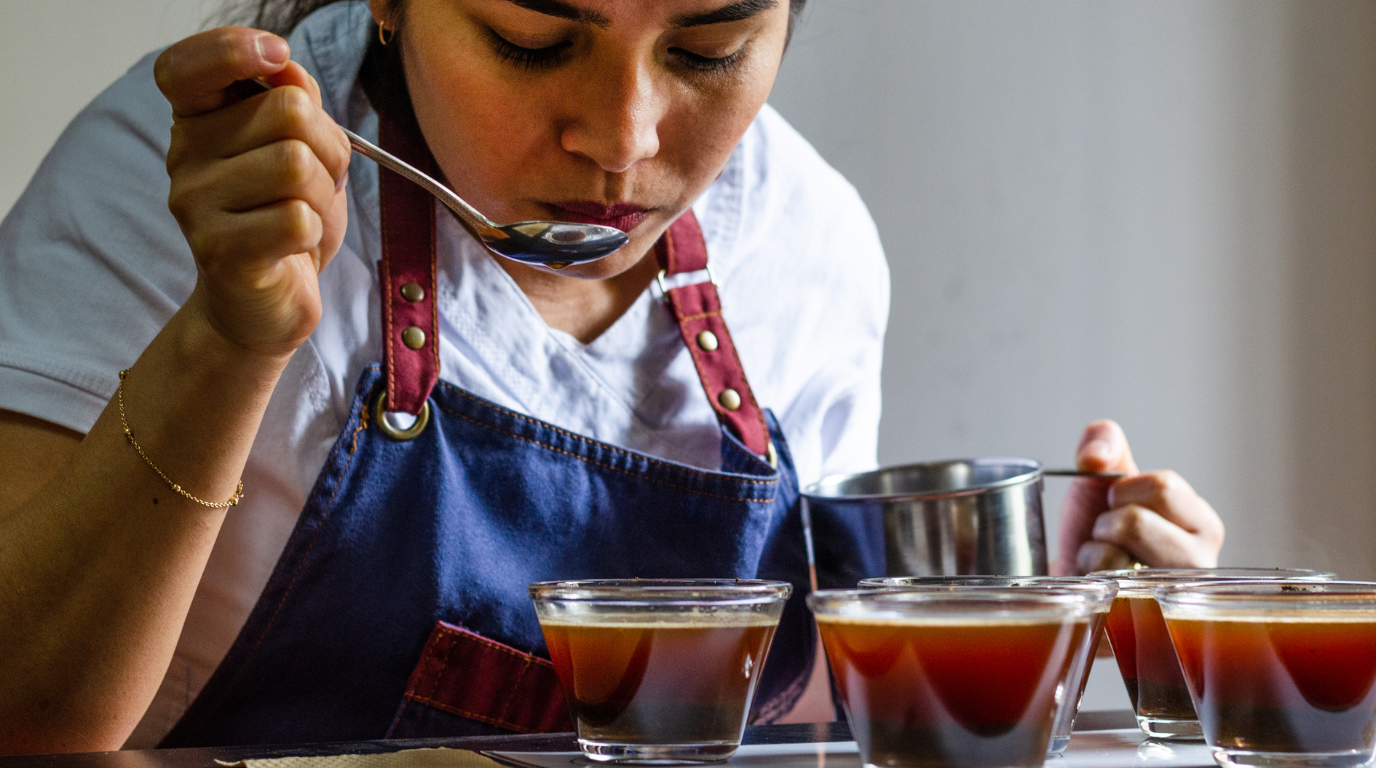
The best way to understand the flavor is to slow down with a cup. Smell it first; let the aroma set up the chocolate and nut notes before you sip. Take it black, at least once, so nothing competes with the bean. Pay attention to how it feels as much as how it tastes: the weight on the tongue, the way the sweetness builds rather than spikes, and how quietly the finish trails off. Once you have tasted that balance, ordinary coffee can feel a little blunt by comparison.
Compare and choose
To put Blue Mountain's flavour in context, compare it with other premium coffees in Blue Mountain vs Kona and Geisha vs Blue Mountain. Its clean profile owes a lot to washed processing; see washed vs natural vs honey coffee.
Browse the full range over in the shop, or read more about our sourcing on the about page.
Frequently Asked Questions
Is Blue Mountain Coffee bitter?
Does Blue Mountain Coffee taste sweet?
Why does Blue Mountain Coffee taste so smooth?
Was this helpful?
Ready to taste it?
Shop 100% authentic Jamaica Blue Mountain Coffee — whole bean, ground and pods.
Shop Coffee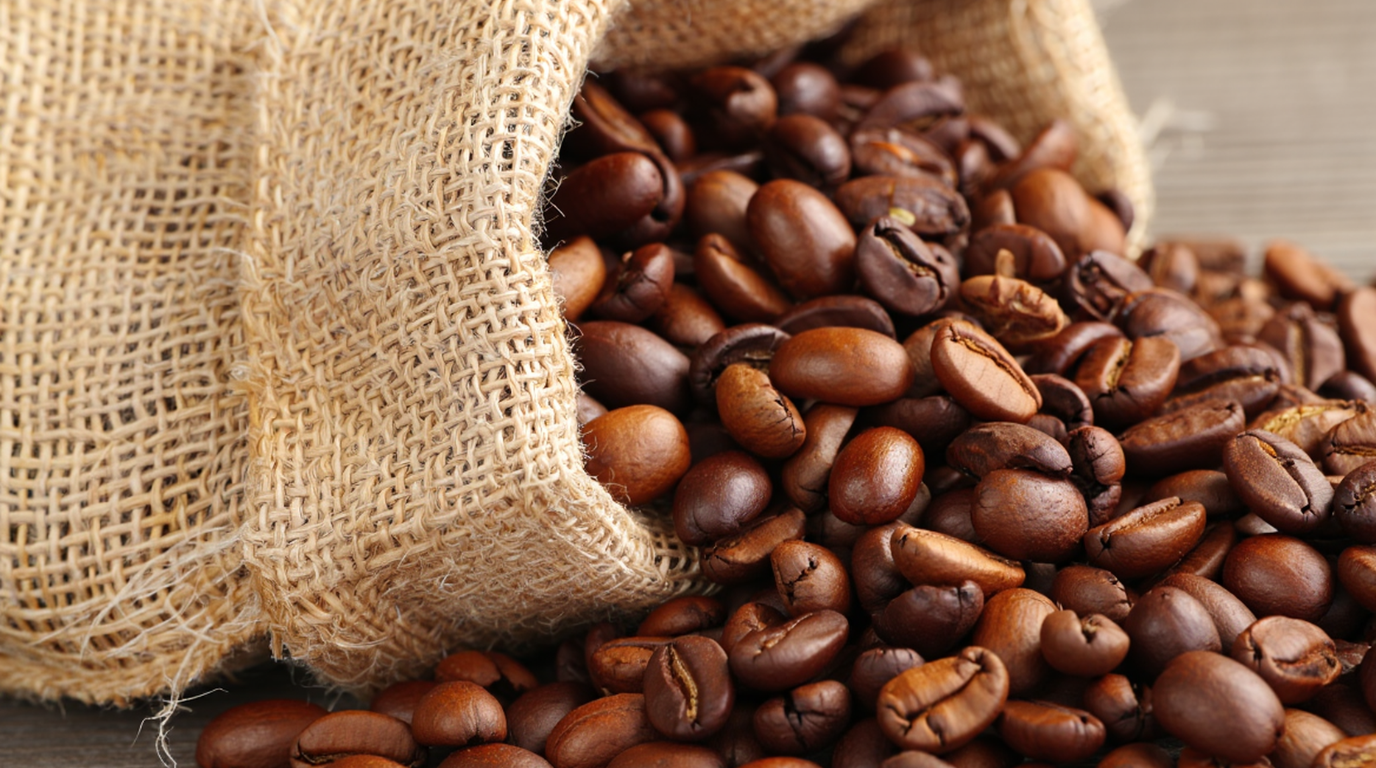

0 Comments
Be the first to share your thoughts.
Leave a comment
Please sign in with your email to leave a comment.