
How Altitude Affects Coffee Flavor: Why High-Grown Matters
High-grown coffee commands higher prices for a reason. Here is how altitude reshapes a coffee bean — and the cup you brew from it.
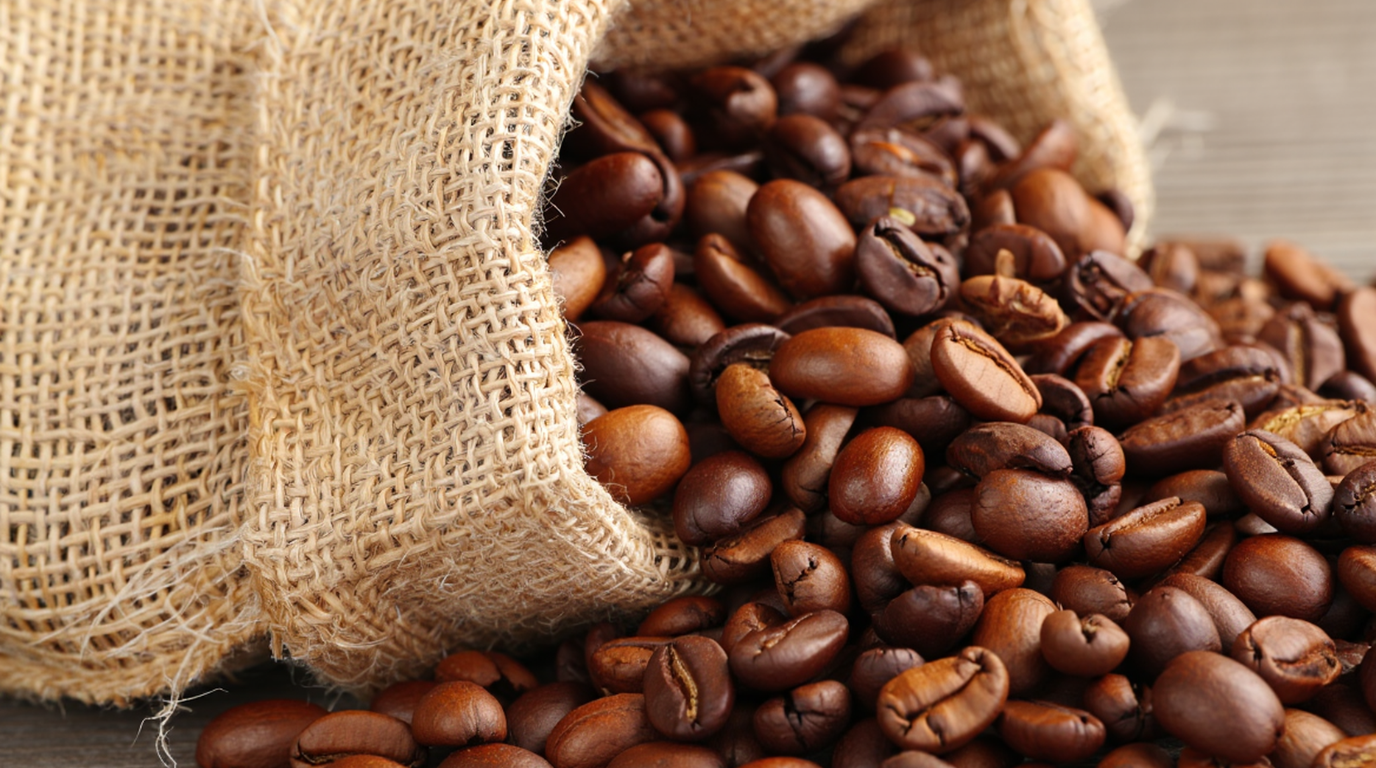
Look closely at a bag of specialty coffee and you will often find an elevation printed on the label: 1,200 metres, 1,500, sometimes higher. It is there because altitude is one of the strongest forces shaping how a coffee tastes. Two farms growing the same variety can produce noticeably different cups simply because one sits higher up the mountain than the other.
Why height changes the bean
The key is temperature. The higher you climb, the cooler the air becomes. Coffee cherries grown in that cooler air ripen more slowly, and slow ripening is where the magic happens. Given extra time on the branch, the cherry develops more sugars and a deeper store of the aromatic compounds that become flavor after roasting. The beans themselves grow denser and harder, which gives the roaster more to work with and the cup more complexity.
Lower down, where temperatures are warmer, cherries mature quickly. The result tends to be a softer, less dense bean with a flatter, simpler flavor. It is not bad coffee — but it rarely reaches the heights, literally, of the best high-grown lots.
What altitude adds to the cup
High-grown coffees share a recognisable set of qualities:
- More sweetness — the slow build-up of sugars carries straight into the cup
- Brighter, cleaner acidity in most origins — the lively, fresh quality that makes a coffee feel crisp (a few high-grown beans, Blue Mountain among them, stay notably low in acidity instead)
- Greater complexity — more distinct notes rather than one flat flavor
- A denser bean — which roasts more evenly and holds its character
If the terms above are unfamiliar, our guide to coffee tasting notes for beginners walks through acidity, body and the rest in plain language.
What the numbers on the bag mean
Elevation figures are a useful shorthand, but they are not a strict scoreboard — the same altitude means different things in different climates and latitudes. As a rough guide for arabica coffee:
- Below about 900 metres — lower-grown, softer beans with a simpler, milder cup
- Roughly 900 to 1,200 metres — a balanced middle ground with more sweetness and body
- 1,200 metres and above — high-grown coffee prized for brightness, sweetness and complexity
Specialty coffees often sit at the top of that range. Read the elevation alongside the origin and variety rather than on its own; a number without context tells only part of the story.
Altitude is not the only factor
It would be a mistake to treat elevation as a single magic number. Altitude works alongside several other influences:
- Soil — mineral-rich mountain soil feeds the plant and shapes flavor
- Climate and mist — cloud cover and rainfall affect how the cherries develop
- Variety — some coffee types simply have more flavor potential
- Processing and roasting — even perfect cherries can be ruined by careless handling
The best coffees happen where all of these line up. Altitude builds the potential; everything else decides whether that potential reaches your cup.
Blue Mountain: altitude in action
Jamaica Blue Mountain Coffee is a textbook case of high-altitude growing done right. The certified region climbs steeply above eastern Jamaica, with the prime coffee grown high on slopes that are cool, often wrapped in cloud, and rooted in deep mineral-rich mountain soil. Those conditions slow ripening to a crawl and let the cherries build remarkable sweetness and balance.
The signature of that elevation shows up clearly in the glass: a smooth, clean cup with gentle chocolate and toasted-nut notes, a soft natural sweetness and notably low, well-mannered acidity. The high-grown density also means the bean takes well to roasting without losing its delicacy. Our article on why Blue Mountain Coffee is rare explains how the steep, high terrain limits supply and drives the price.
Tasting altitude for yourself
The effects of elevation are easiest to notice when the coffee is fresh, so grind right before you brew if you can. Reach for freshly roasted whole beans to taste the full complexity, or keep it simple with ready-ground coffee. A clean brewing method such as pour-over shows off the bright clarity that high-grown beans are known for; our brewing guide covers the technique.
Altitude, bean density and roasting
The dense, hard beans that come from slow-ripening high-grown coffee do not only taste different; they also behave differently in the roaster. A denser bean takes heat in more slowly and evenly, which is one reason roasters describe high-grown coffees as having more to work with. Softer, lower-grown beans tend to take on colour faster and can scorch more easily if they are treated the same way. Roasters therefore adjust heat and timing to each coffee, and a recipe that suits one origin rarely transfers directly to another. If you roast at home, our guide to roasting coffee beans at home explains the stages to watch, from drying to first crack.
Density also shows up after roasting. Lighter roasts of dense, high-grown beans keep releasing carbon dioxide for weeks; laboratory work at the Zurich University of Applied Sciences found a light roast still degassing about a month after roasting. That is why bright, high-grown coffees roasted light often taste best after a short rest rather than straight from the roaster. Our guide to coffee degassing explains how long to rest beans for filter and espresso.
Finally, density affects grinding and brewing. Hard beans can need a slightly finer grind to extract fully, and if a high-grown coffee tastes sharp or thin, under-extraction is often the reason; our guide to why coffee tastes bitter or sour shows how to adjust.
Compare and choose
To see how altitude plays out across real origins, including the SHB, AA and Supremo grades printed on labels, read high-altitude single origin coffees compared. Altitude also interacts with variety; see arabica varieties compared.
Once you have tasted a genuinely high-grown coffee beside an everyday one, the difference altitude makes is hard to unsee. The sweetness, the clarity, the long clean finish — all of it traces back to those slow, cool months high on the mountain. Browse the range in the shop and taste what elevation can do.
Frequently Asked Questions
Why does high-altitude coffee taste better?
At what altitude is Blue Mountain Coffee grown?
Is altitude the only thing that affects coffee flavor?
Do high-altitude coffee beans need a different roast?
Was this helpful?
Ready to taste it?
Shop 100% authentic Jamaica Blue Mountain Coffee — whole bean, ground and pods.
Shop Coffee
0 Comments
Be the first to share your thoughts.
Leave a comment
Please sign in with your email to leave a comment.