
Jamaican Coffee Culture: History, Farms and the Daily Cup
Coffee in Jamaica is more than a drink — it is heritage, livelihood and a slow morning ritual shaped by the mountains it grows on.
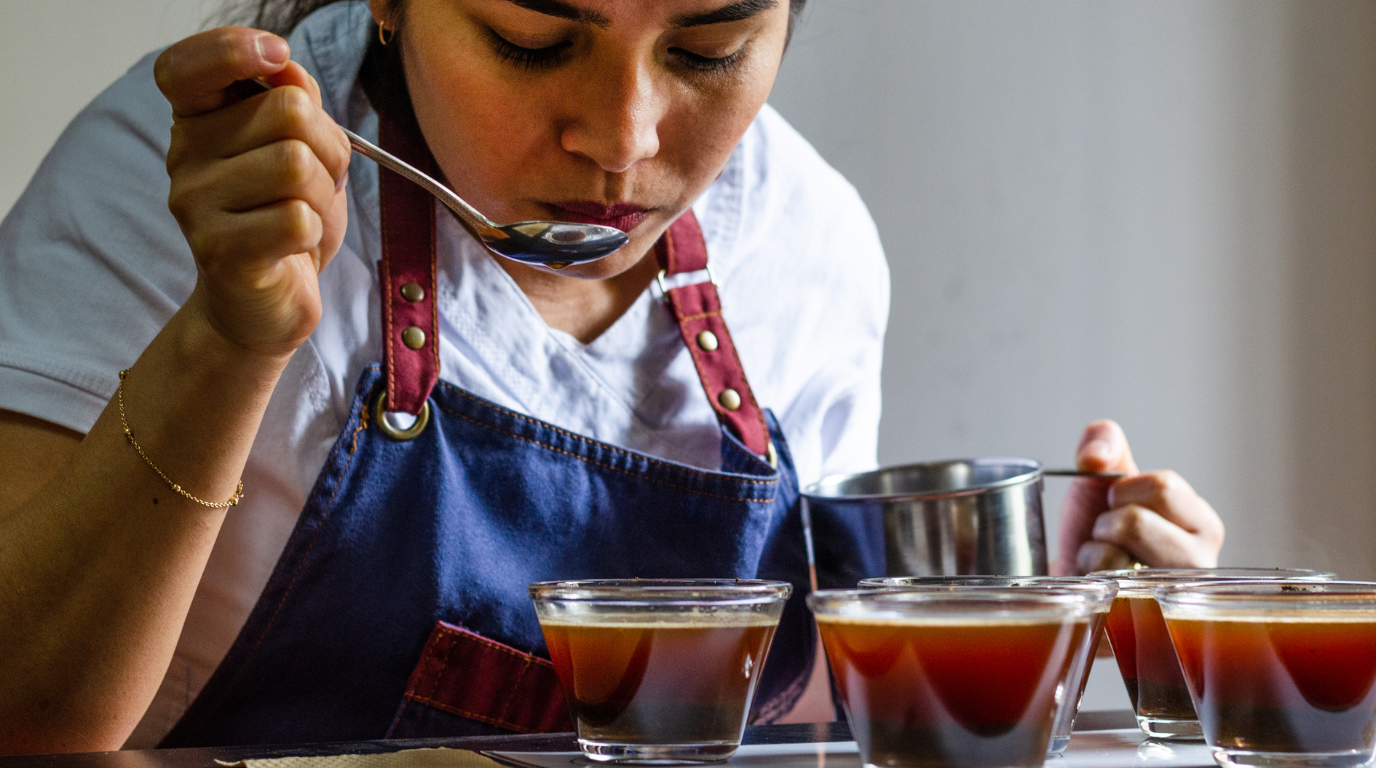
To understand Jamaica Blue Mountain Coffee, it helps to understand the place that makes it. On the island, coffee is not merely a commodity or a caffeine fix. It is woven into the landscape, the economy and the rhythm of daily life — a thread that runs from steep mountain farms down to the kitchen table.
How coffee reached the island
Coffee arrived in Jamaica in the early eighteenth century, when seedlings were brought across from the wider Caribbean. The plants found a near-perfect home in the cool, misty heights of the Blue Mountains in the east. Within a few generations the region had built a reputation for an unusually fine cup, and that reputation has only deepened over the centuries. Today the name is protected: only coffee grown in the defined, certified region may be sold as genuine Jamaica Blue Mountain.
Life on the mountain farms
Much of the island's prized coffee still comes from small farms perched on slopes so steep that machines are useless. The work is done by hand, and it is demanding. Pickers move through the rows selecting only the ripe, deep-red cherries, returning again and again as the rest mature. This patient, selective harvest is one of the reasons the coffee is so clean and consistent — and a reason it is never cheap. For the families who tend these plots, often across several generations, coffee is both heritage and livelihood. Our piece on why Blue Mountain Coffee is rare looks closer at the labour and geography behind every bag.
The morning cup
Jamaican coffee culture leans toward the unhurried. A morning cup is something to sit with, not gulp on the way out the door. Many islanders take it strong and black, letting the bean's natural smoothness carry the cup, though sweetened and milky versions are common too. In country kitchens you will still find coffee brewed simply and served generously, the pot kept warm for whoever drops by.
That sociability matters. Coffee in Jamaica is bound up with hospitality — offered to visitors, shared on verandahs, poured during long conversations. The drink is a reason to slow down and be together as much as it is a beverage.
A point of national pride
Few products are as bound up with Jamaican identity as Blue Mountain Coffee. It is one of the island's most recognized exports and a genuine source of pride, spoken about with the same warmth Jamaicans reserve for their music and their food. The protected name is guarded carefully, because counterfeits and watered-down blends abroad threaten both the reputation and the livelihoods behind it. When a Jamaican farmer talks about the harvest, there is ownership in it — this is the island's coffee, grown the island's way, and the world has learned to seek it out by name.
That pride trickles down into the everyday cup. Serving good coffee to a guest is a small act of hospitality with a long history behind it, a way of sharing something the island does better than almost anywhere else.
Flavors of the island in the cup
The culture around the coffee mirrors the coffee itself: warm, generous and easygoing. The cup is famously smooth and gently sweet, with notes of chocolate and toasted nut and very little bitterness. It pairs naturally with the flavors of the island table — spiced buns, fresh fruit, hard-dough bread. If you are curious about the flavor itself, our guide on whether Jamaica Blue Mountain Coffee is worth it breaks down what you are tasting and why.
Heritage you can taste at home
You do not have to stand on a Jamaican verandah to share in this tradition, but it is worth bringing a little of its spirit to your own kitchen. Brew without rushing. Take the first cup black so the bean has the stage. Sit with it instead of carrying it around. That small shift in pace is, in its way, the most authentic part of Jamaican coffee culture.
- Choose the real thing — only 100% certified Jamaica Blue Mountain carries the genuine heritage.
- Brew gently — the coffee rewards care, not force.
- Share it — a pot made for company is true to the tradition.
From mountain farm to cup: what happens after picking
The care that goes into hand-picking continues after the cherries leave the tree. Jamaica Blue Mountain is a washed coffee: the ripe cherries are pulped to remove the skin and most of the fruit, the beans are cleaned of the remaining sticky layer, and then dried slowly in their papery parchment shell. Only after drying and resting are the beans hulled and graded before they can be certified for export by the Jamaica Agricultural Commodities Regulatory Authority (JACRA). Our comparison of washed, natural and honey processing explains why the washed method suits the clean, balanced cup the island is known for.
Roasting is the last transformation, and it is where heat turns a pale, grassy green bean into the aromatic coffee you brew. Many visitors to coffee regions are surprised by how different green coffee looks and smells; if you are curious about that step, our guide to roasting coffee beans at home walks through the stages from first crack to cooling. After roasting, fresh coffee still releases carbon dioxide for days, which is why a short rest before brewing often gives a sweeter, calmer cup; see coffee degassing explained.
Seen this way, every cup of genuine Blue Mountain carries several generations of know-how: the grower who picks only ripe cherries, the processor who washes and dries them patiently, the graders who sort them, and finally the roaster and the person who brews them with care at home.
Compare and choose
Curious how Jamaica's famous coffee compares with other island and mountain coffees? Read Blue Mountain vs Kona and high-altitude single origins compared.
We work only with authentic, single-origin Jamaican coffee; you can read more about that commitment on our about page. To taste the heritage for yourself, start with freshly roasted whole beans or browse the full range in the shop. However you take your cup, you are joining a story that has been brewing on these mountains for three hundred years.
Frequently Asked Questions
How long has coffee been grown in Jamaica?
How do Jamaicans usually drink their coffee?
Why is Jamaican coffee picked by hand?
Is Jamaica Blue Mountain coffee washed or natural?
Was this helpful?
Ready to taste it?
Shop 100% authentic Jamaica Blue Mountain Coffee — whole bean, ground and pods.
Shop Coffee

0 Comments
Be the first to share your thoughts.
Leave a comment
Please sign in with your email to leave a comment.