
Best Water for Coffee: Minerals, Filters and Taste
Coffee is mostly water, so the water you brew with shapes flavour and the life of your machine. Here is what matters and how to fix it at home.

Choosing the best water for coffee is one of the cheapest upgrades you can make. A cup of brewed coffee is overwhelmingly water, and the minerals dissolved in that water decide how well flavour is pulled from the grounds, how bright or flat the cup tastes, and how quickly scale builds up in your kettle or machine. You do not need a laboratory to get it right. This guide explains what the coffee industry looks for in brewing water, how tap, filtered, bottled and distilled water compare, and how to improve your water at home.
Why water changes the taste of coffee
Brewing is extraction: hot water dissolves acids, sugars, oils and aromatic compounds from ground coffee. The minerals already in the water take part in that process. Calcium and magnesium help extract flavour, so water with a moderate amount of them tends to give a fuller, more vivid cup. Bicarbonate, measured as alkalinity, buffers acids; a little of it rounds off sharpness, but a lot of it dulls the acidity that makes a coffee lively. Chlorine and other off-tastes in the water pass straight into the cup.
Too few minerals is also a problem. Distilled water and unmineralised reverse-osmosis water have almost nothing dissolved in them, and coffee brewed with them often tastes flat, hollow or sour. Too many minerals, as in very hard water, can make coffee taste chalky or bitter and leave scale in equipment.
What the coffee industry looks for
The Specialty Coffee Association and its predecessor have long published guidance on brewing water, and figures from it are widely quoted by trade publications such as Barista Magazine. Published versions and summaries differ in their exact ranges, so treat these as a guide rather than hard limits:
| Property | Commonly quoted coffee target | What it does |
|---|---|---|
| Odour and chlorine | Clean, odour-free, no chlorine | Chlorine taste carries into the cup |
| Total dissolved solids (TDS) | Around 150 mg/L | Overall mineral content; too low tastes flat, too high tastes heavy |
| Calcium hardness | Moderate; ranges vary by source | Helps extraction; too much causes scale |
| Alkalinity | Around 40 mg/L | Buffers acidity; too much makes coffee dull |
| pH | Close to neutral, about 6.5 to 7.5 | Very high or low pH affects taste |
For comparison, the US Environmental Protection Agency's non-enforceable secondary guideline for total dissolved solids in drinking water is 500 mg/L, with a pH range of 6.5 to 8.5. In other words, tap water can be perfectly safe to drink and still be well outside the range that brews the best coffee.
Tap, filtered, bottled or distilled?
- Tap water varies enormously from town to town. If yours tastes clean and is only moderately hard, it may brew good coffee as it is. Many water suppliers publish an annual water quality report that lists hardness and dissolved solids.
- Carbon-filtered water from a jug or tap filter removes chlorine and many off-tastes. Most simple carbon filters do little to reduce hardness, though some cartridges are designed to reduce scale. For many homes this is the easiest improvement.
- Bottled spring water can work well, but mineral content differs widely between brands. Check the label for total dissolved solids or dry residue and choose a water with a moderate figure rather than a very high one.
- Distilled or reverse-osmosis water on its own usually brews flat coffee. It is useful as a base if you add back minerals, and some machine makers advise against using pure distilled water in their equipment, so check your manual.

Water and your equipment
Hard water leaves limescale when it is heated. Scale coats heating elements, narrows pipes and can stop a machine reaching the right temperature, which in turn hurts extraction. Espresso machines are especially sensitive. Very soft or demineralised water has the opposite risk for some machines, which is why manufacturers often specify a water range. Better water means less frequent descaling; our guide on how to clean your coffee maker explains descaling step by step, and espresso with Blue Mountain coffee covers machine brewing.
How to check and improve your water
- Taste and smell it. If plain water smells of chlorine or tastes metallic or salty, it will affect your coffee.
- Look up your supplier's report. Note hardness and, if listed, total dissolved solids.
- Test it if you want numbers. Inexpensive TDS meters and hardness test strips give a quick reading.
- Filter out chlorine. A carbon filter jug is the simplest fix for most tap water.
- Deal with very hard water. Use a scale-reducing filter cartridge, a suitable bottled water, or blend tap water with distilled water to bring hardness down.
- Brew a side-by-side test. Brew the same coffee with two waters and taste them together. The method in our guide on how to cup coffee at home makes the comparison fair.
- Use fresh, cold water every time. Water that has sat in a kettle and been reboiled loses oxygen and can taste flat.
Temperature matters too
Good water at the wrong temperature still brews a poor cup. For most hot methods, water just off the boil, around 92 to 96 C, is a sensible target. Lighter roasts often benefit from the top of that range, darker roasts from the lower end. See pour over vs French press for starting recipes for two popular brewers.
Common water myths
- The purer the water, the better the coffee. Not for brewing. Water with almost no minerals extracts flavour poorly, and the coffee tastes flat. Some mineral content is needed.
- Boiling water removes everything bad. Boiling drives off some chlorine but not the minerals that cause hardness or alkalinity, and reboiling the same water repeatedly concentrates minerals as water evaporates.
- If water is safe to drink, it is right for coffee. Safety and taste are different questions. Drinking water standards aim to protect health; coffee brewing targets are about flavour and equipment.
- Softened water is ideal. Household water softeners usually swap calcium and magnesium for sodium. That stops scale, but it does not reduce alkalinity, and many coffee professionals prefer other ways of treating water for brewing.
- Expensive beans make up for poor water. They do not. Poor water hides exactly the subtle qualities that make premium coffee worth buying.
Water and delicate coffees
The better and more delicate the coffee, the more water matters. A coffee prized for balance and subtle sweetness, such as Jamaica Blue Mountain, is easily masked by chlorine or flattened by highly alkaline water. If you have invested in premium beans, such as our Jamaica Blue Mountain whole beans, a simple filter jug is the least expensive way to taste what you paid for. Read how to brew the perfect cup for the other habits that matter.
Sources
Frequently Asked Questions
What is the best water for making coffee?
Is distilled water good for coffee?
Does hard water make coffee taste bad?
Should I use filtered water in my coffee maker?
Was this helpful?
Ready to taste it?
Shop 100% authentic Jamaica Blue Mountain Coffee — whole bean, ground and pods.
Shop Coffee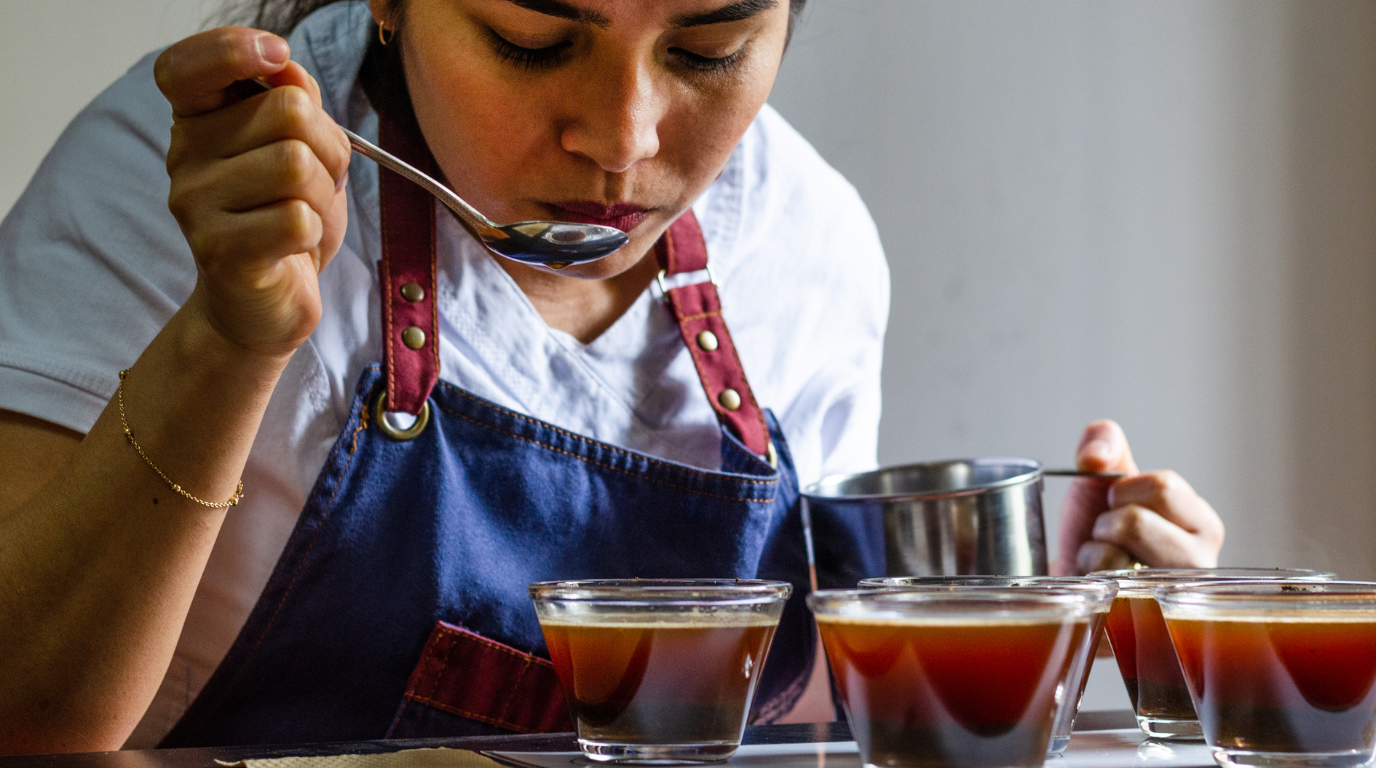


0 Comments
Be the first to share your thoughts.
Leave a comment
Please sign in with your email to leave a comment.