
Kopi Luwak vs Jamaica Blue Mountain: What to Know First
Both appear on lists of the world’s most expensive coffees, but they are very different products. Here is how kopi luwak and Blue Mountain compare.
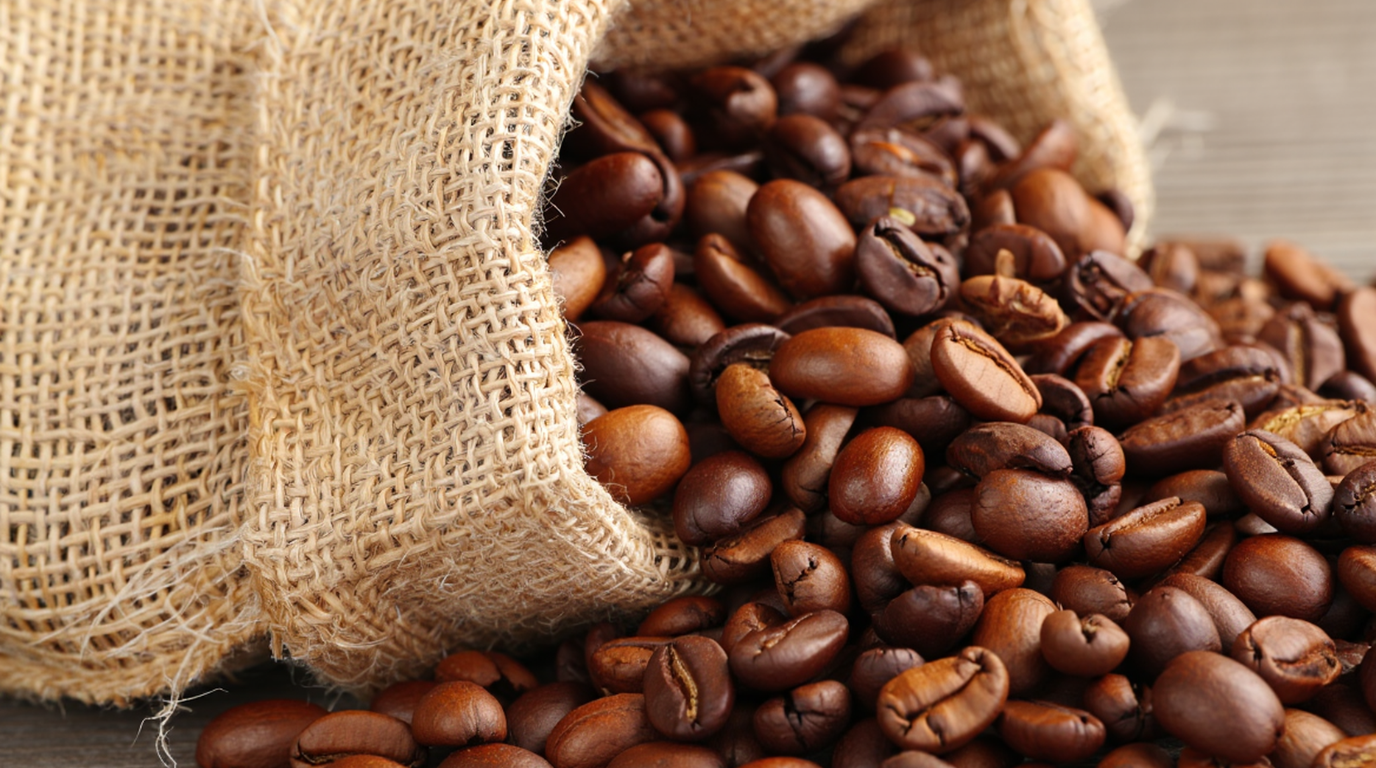
Kopi luwak vs Jamaica Blue Mountain is a comparison that comes up whenever people search for the world's most expensive or most exclusive coffee. The two are often listed together, yet they could hardly be more different. Jamaica Blue Mountain is a defined growing region with a regulator, grades and certification. Kopi luwak is a production method: coffee cherries eaten by civets, with the beans collected from their droppings. This guide explains how each is made, what is and is not verified, the animal welfare concerns linked to civet coffee, and how to judge any luxury coffee on what matters in the cup.
What kopi luwak is
Kopi is the Indonesian word for coffee and luwak is the local name for the Asian palm civet, a small mammal. Civets eat ripe coffee cherries, digest the fruit and pass the seeds. Those seeds are collected, cleaned, dried, hulled and roasted like any other coffee. The practice is associated with Indonesian islands such as Sumatra, Java and Bali, and similar coffee is produced in other parts of Southeast Asia.
Kopi luwak is not a variety, a region or a grade. The beans can come from any coffee the civets eat, arabica or robusta, from any farm. There is no international standard or regulator that defines kopi luwak or certifies how it was produced.
What Jamaica Blue Mountain is
Jamaica Blue Mountain is coffee grown in a designated area of the Blue Mountains in eastern Jamaica, which the Jamaica Agricultural Commodities Regulatory Authority (JACRA) describes as lying in the parishes of St Thomas, St Andrew and Portland. Only coffee from that area, processed by licensed operators, may use the name, and JACRA certifies it for export. It is graded into Blue Mountain No. 1, No. 2, No. 3 and Peaberry. The coffee is mainly Typica and is washed. Our article why Blue Mountain coffee is rare explains why supply is so limited.
Side by side
| Kopi luwak | Jamaica Blue Mountain | |
|---|---|---|
| What the name means | A production method (civet-digested cherries) | A legally defined growing area |
| Where | Mainly Indonesia and other parts of Southeast Asia | Blue Mountains, eastern Jamaica |
| Species and variety | Any coffee the civets eat, arabica or robusta | Arabica, mainly Typica |
| Regulator or certification | No international standard | JACRA certification for export |
| Grades | None standardised | No. 1, No. 2, No. 3, Peaberry |
| Authenticity checks | Very difficult | Certification and 100 percent labelling |
| Animal welfare concerns | Documented for caged production | Not applicable |
Animal welfare concerns
The main criticism of kopi luwak is how it is often produced. Wild civets eat only the cherries they choose, and collecting their droppings from the forest yields very little coffee. To meet demand, many producers keep civets in cages and feed them coffee cherries. A study by Carder and colleagues, published in the journal Animal Welfare in 2016 with researchers from World Animal Protection and the University of Oxford's Wildlife Conservation Research Unit, assessed the housing of 48 civets at 16 tourist-oriented plantations in Bali and concluded that conditions were inadequate for the animals' welfare. National Geographic reported on the same problem the same year.
Some sellers label their coffee wild-sourced or cage-free. Because there is no independent standard behind those words, they are hard for a buyer to verify. If animal welfare matters to you, that uncertainty is a strong reason to be cautious.
Authenticity problems
Kopi luwak is sold at high prices, which creates an incentive for fraud, and with no regulator or standard it is difficult for a buyer to know what is in the bag. Jamaica Blue Mountain also faces counterfeits and misleading blends, but buyers have more tools: the 100 percent wording, the grade, and JACRA certification. Our Blue Mountain coffee buying guide shows what to check, and single origin vs blend coffee explains how blends must be described.
Does kopi luwak taste better?
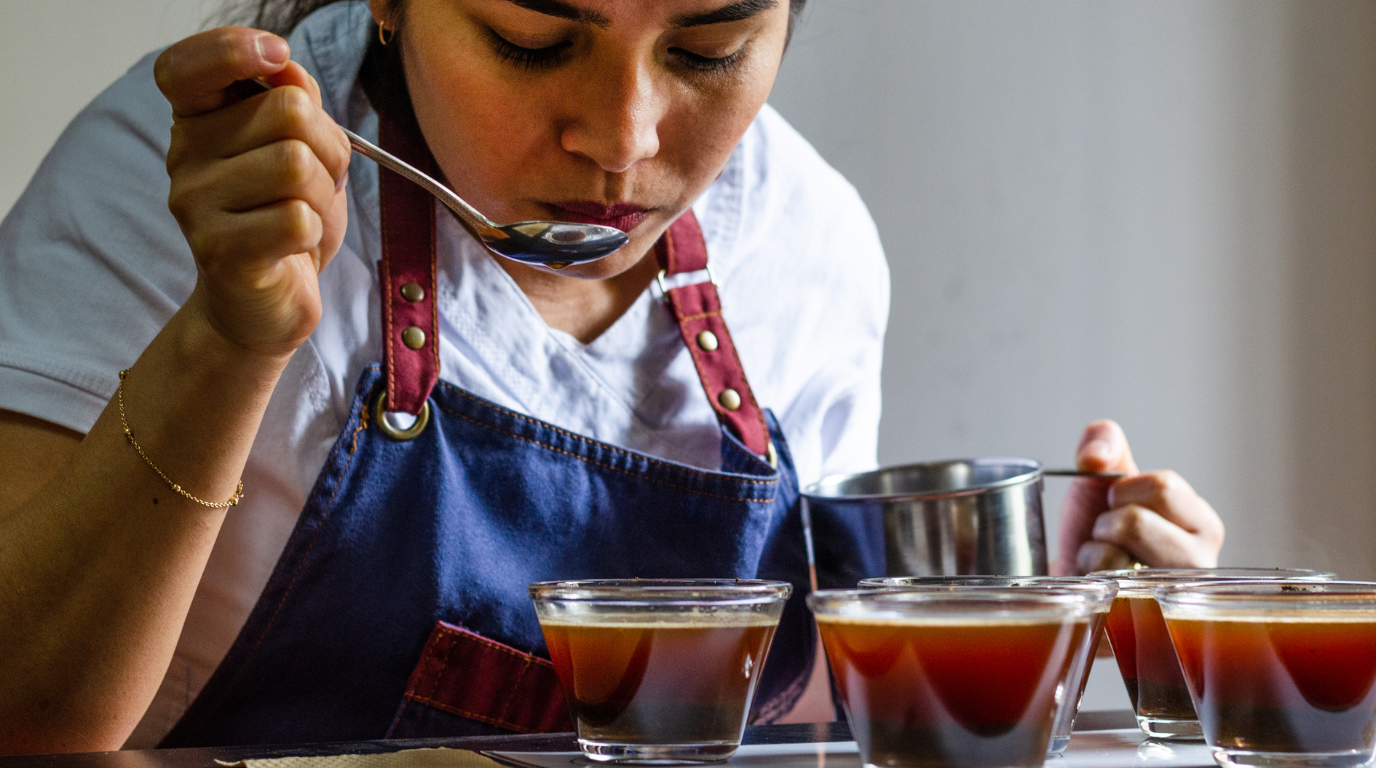
Sellers often describe kopi luwak as smooth and low in bitterness. But the cup depends, as with any coffee, on the beans the animals ate, how they were grown and processed, how they were roasted, and how fresh they are. Because the source beans can be anything, there is no reliable kopi luwak flavour profile to compare against. The fairest way to judge any expensive coffee is the way professionals do: taste it blind against other good coffees, using the method in our guide on how to cup coffee at home. Our article on specialty coffee grading explains how cup quality is formally assessed.
Jamaica Blue Mountain has a well-documented style: clean, mild and balanced, with gentle acidity and a smooth finish. You can read more in what Blue Mountain coffee tastes like.
How to judge any luxury coffee
- Ask what the name guarantees. Is it a region with rules, a variety, a process, or a story?
- Look for verification. A regulator, certification or traceable farm details are worth more than marketing words.
- Check that it is 100 percent. Famous names are often blended with cheaper coffee.
- Check freshness. A roast date matters more than any exotic origin; see how to read a coffee label.
- Consider ethics. Ask how the coffee was produced and whether claims can be checked.
- Taste it. Judge the cup, ideally against a coffee you already know.
Other rare coffees worth exploring
If the appeal of kopi luwak is rarity, there are many coffees that are rare for transparent reasons: a small growing area, a scarce variety, or careful sorting. Jamaica Blue Mountain is limited by the size of its designated area. Peaberry lots are limited because only a small share of beans grow as single round seeds, as explained in peaberry vs regular beans. Geisha from Panama became famous through competitive auctions, and Hawaii's growing regions each produce small volumes, compared in Hawaiian coffee regions compared. Each of these can be traced to a place, a variety or a grade, and each can be judged in the cup.
The bottom line
Kopi luwak and Jamaica Blue Mountain are both expensive, but only one is a defined, certified origin with a known style. If you want a rare coffee whose name is backed by rules and certification, Jamaica Blue Mountain is the more transparent choice. If you are curious about other premium coffees, compare Geisha vs Blue Mountain or Blue Mountain vs Kona. And if you would like to taste the real thing, our whole bean Jamaica Blue Mountain coffee is a good place to start.
Sources
Frequently Asked Questions
What is kopi luwak coffee?
Is kopi luwak better than Jamaica Blue Mountain?
Is kopi luwak ethical?
How can I tell if Jamaica Blue Mountain coffee is genuine?
Was this helpful?
Ready to taste it?
Shop 100% authentic Jamaica Blue Mountain Coffee — whole bean, ground and pods.
Shop Coffee


0 Comments
Be the first to share your thoughts.
Leave a comment
Please sign in with your email to leave a comment.