
Papua New Guinea Coffee vs Jamaica Blue Mountain Compared
Both are highland island coffees with Typica roots, yet they are grown, graded and sold very differently. Here is how PNG and Jamaica Blue Mountain compare.
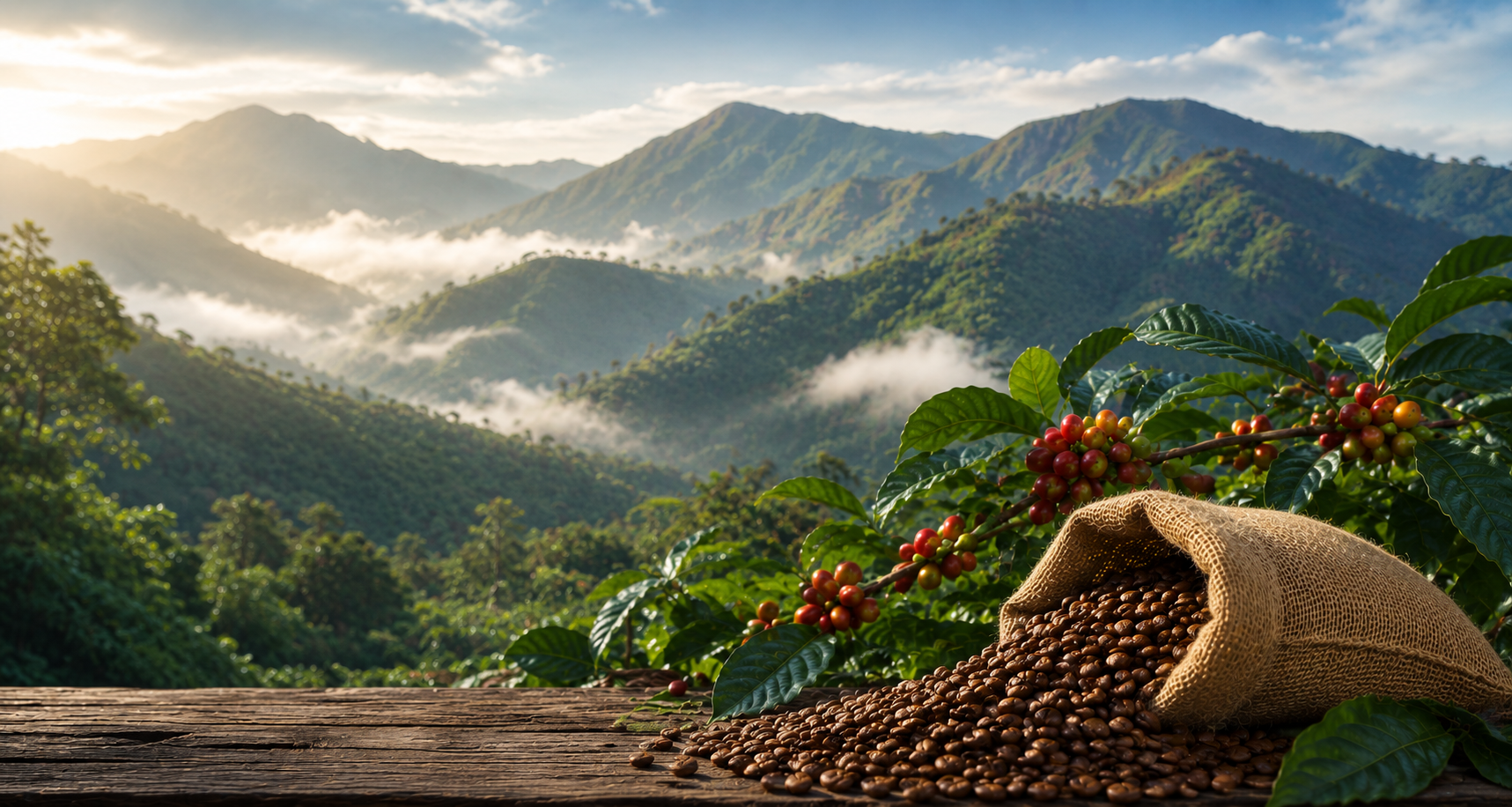
Papua New Guinea and Jamaica sit on opposite sides of the world, but their coffees are often mentioned together. Both are mountain-grown island coffees, both draw on old Typica-family arabica, and both are sought out by people who like a smooth, rounded cup. Yet they are grown, graded and sold in very different ways, and those differences matter when you choose. This guide compares the two.
Two highland origins
Jamaica Blue Mountain comes from a small, designated area in the Blue Mountains of eastern Jamaica, covering parts of the parishes of St Thomas, St Andrew and Portland. Steep slopes, cloud cover and cool temperatures slow ripening. Read why Blue Mountain coffee is rare for the background.
Papua New Guinea grows most of its arabica in the highland provinces of the island of New Guinea, such as the Eastern and Western Highlands, in fertile valleys and on mountain slopes. Much of it is grown by smallholder families in garden plots alongside food crops, with the rest coming from estates and plantations. The industry is overseen by the Coffee Industry Corporation (CIC), which sets and enforces green coffee quality standards for export.
Who grows the coffee
This is one of the biggest differences. In PNG, smallholders are central to the industry, and coffee often passes through collectors and central mills before export. That structure shaped the old grading system, which, as Daily Coffee News reported, meant coffees not produced on large plantations could not receive the country's top grade regardless of their quality.
In Jamaica, coffee is also grown by many small farmers, but processing and trade are tightly licensed. The Jamaica Agricultural Commodities Regulatory Authority (JACRA) licenses processors and dealers, sets quality standards and certifies Jamaica Blue Mountain before export. The Jamaica Blue Mountain® name is a registered trademark owned by JACRA's subsidiary Coffee Marks Limited.
How the grades work
PNG's grading changed significantly in 2020, when the CIC published revised green coffee standards approved by the National Institute of Standards and Industrial Technology. The number of arabica grades was cut from thirteen to five:
| New PNG grade | What it replaced |
|---|---|
| A | The former AA, A, AB, C, PB, X and E grades, which had similar cupping qualities |
| B | The former PSC (Premium Smallholder Coffee) grade |
| Y (Y1) | The former Y grade |
| Y2 | Essentially unchanged |
| Y3 | The lowest grade, made less restrictive |
A number can be added to the top grades to show screen size, for example A-18. Because older terms such as PSC and X are still widely used in the trade, you may see either system on a bag. Jamaica Blue Mountain, by contrast, keeps its familiar grades: No. 1, No. 2, No. 3 and Peaberry, based largely on bean size and defects. Our guides to coffee bean screen sizes and peaberry vs regular beans explain how size grades work.
Varieties
JACRA identifies Arabica Typica as Jamaica's main variety, valued for cup quality though not for yield. PNG's arabica includes old Typica-family plantings alongside other varieties introduced over the years, so a PNG lot may be Typica, Bourbon-related or a mix. If a PNG bag mentions "Blue Mountain", it is describing a plant lineage, not the protected Jamaican origin; only certified coffee from Jamaica's designated area is Jamaica Blue Mountain. World Coffee Research's variety catalogue is the best reference for what each variety name means, and our guide to arabica varieties compared summarises the common ones.
How they tend to taste
Treat these as tendencies; the farm, mill, processing and roast all shift the cup.
- Jamaica Blue Mountain: balanced, clean and mild, with smooth body and gentle, well-integrated acidity. Its appeal is harmony. See what Blue Mountain tastes like.
- Papua New Guinea: often fuller and more varied, from sweet, chocolatey and balanced to brighter and fruitier, with more variation between lots because of the mix of smallholder and estate coffee.
If you like the gentle, polished style of Blue Mountain, a well-sorted washed PNG A grade can be an interesting comparison with a little more body. If you prefer something wilder, look for PNG lots that name a specific mill or estate and describe fruit-forward notes. In both cases, buy whole beans with a recent roast date, because freshness affects these gentle coffees as much as origin does.
Side by side
| Papua New Guinea | Jamaica Blue Mountain | |
|---|---|---|
| Regulator | Coffee Industry Corporation | JACRA |
| Growing area | Highland provinces of New Guinea | Designated Blue Mountain area of eastern Jamaica |
| Who grows it | Many smallholders, plus estates | Many small farms, with licensed processors |
| Grades | A, B, Y, Y2, Y3 (since 2020), with size suffix | No. 1, No. 2, No. 3, Peaberry |
| Name protection | Country of origin only | Protected name, certification and trademark |
| Typical cup | Fuller, varied, sweet to fruity | Balanced, clean, mild |
Which should you choose?
- Choose Jamaica Blue Mountain if you want the most refined, balanced version of a classic washed island coffee, with the assurance of a protected, certified origin.
- Choose Papua New Guinea if you want to explore a highland coffee with a little more body and variety, and you enjoy reading grades and mill names to find a lot you like.
- Taste them side by side. Brew both the same way at medium roast and compare as they cool. Our guide to coffee tasting notes helps you put the differences into words.
For more premium comparisons, see Blue Mountain vs Kona and Geisha vs Blue Mountain. When you are ready to taste the Jamaican side, our 8 oz whole beans are a convenient size for a comparison.
Sources
Frequently Asked Questions
Is Papua New Guinea coffee similar to Jamaica Blue Mountain?
What are the coffee grades in Papua New Guinea?
Can coffee from Papua New Guinea be called Blue Mountain?
Was this helpful?
Ready to taste it?
Shop 100% authentic Jamaica Blue Mountain Coffee — whole bean, ground and pods.
Shop Coffee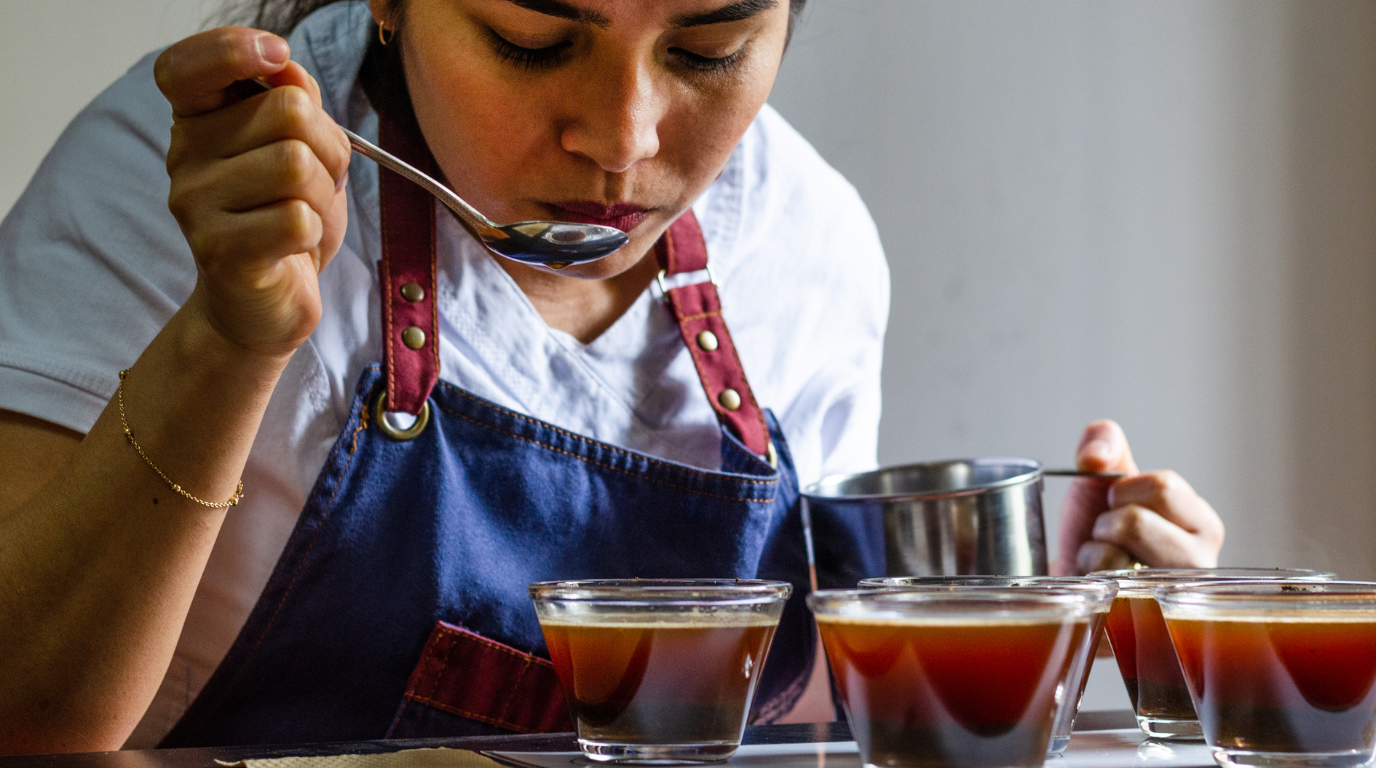

0 Comments
Be the first to share your thoughts.
Leave a comment
Please sign in with your email to leave a comment.