
Jamaica Blue Mountain vs High Mountain Coffee Compared
Jamaica produces two protected premium coffee names. Here is how Blue Mountain and High Mountain differ in origin, regulation, style and what to check on a bag.

Most coffee lovers know Jamaica Blue Mountain, but fewer know that Jamaica protects a second premium coffee name: Jamaica High Mountain. The two come from the same island, are regulated by the same authority and often share the same Typica heritage, yet they are not interchangeable. This guide sets them side by side so you can understand what each name means, how to read the labels and which one suits what you are looking for.
Who regulates Jamaican coffee
Coffee in Jamaica is overseen by the Jamaica Agricultural Commodities Regulatory Authority (JACRA), a statutory body established in 2017 that took over the functions of the former Coffee Industry Board on 1 January 2018. The Coffee Industry Board itself dates back to 1950, under coffee legislation passed in 1948. JACRA sets coffee quality standards, licenses processors and dealers, provides quality assurance and certification services, and governs coffee trading on the island.
The famous names are also protected as trademarks. According to JACRA, its subsidiary Coffee Marks Limited owns the Jamaica Blue Mountain® and Jamaica High Mountain Supreme® trademarks and is responsible for the integrity and licensing of those brands. That dual protection, regulation at home and trademarks abroad, is why genuine Jamaican premium coffee is described so carefully on legitimate labels.
Where each coffee is grown
Jamaica Blue Mountain comes from the designated Blue Mountain area in the east of the island. JACRA describes it as covering parts of the parishes of St Thomas, St Andrew and Portland. The area is defined, not loosely marketed, so coffee grown outside it cannot carry the Blue Mountain name however good it is. Our article on why Blue Mountain coffee is rare explains how that fixed area limits supply.
Jamaica High Mountain refers to premium grades grown outside the Blue Mountain area. These farms are generally at lower elevations than the highest Blue Mountain estates, in other hilly parts of the island. JACRA notes that the High Mountain region's top coffee also sells as a premium product, and both regions have been part of variety trials carried out with World Coffee Research and PROMECAFE.
Same heritage, different conditions
JACRA identifies Arabica Typica as the main variety grown in Jamaica and credits it with the fine cup quality the island is known for, while noting that Typica is not a high-yielding variety compared with other arabicas. So the difference between the two names is mostly about place: altitude, slope, cloud cover and microclimate.
Those conditions matter. Higher, cooler, cloudier farms tend to slow the ripening of coffee cherries, which is associated with denser beans and more developed sweetness and acidity. Lower elevations usually mean faster ripening and a simpler cup. Our guide to how altitude affects coffee flavor explains the mechanism in more detail.
Side by side
| Jamaica Blue Mountain | Jamaica High Mountain | |
|---|---|---|
| Where grown | Designated Blue Mountain area (parts of St Thomas, St Andrew and Portland) | Premium-grade areas outside the Blue Mountain area |
| Regulator | JACRA | JACRA |
| Protected name | Jamaica Blue Mountain® | Jamaica High Mountain Supreme® |
| Main variety | Typica | Typica, with other varieties on some farms |
| Grades you may see | No. 1, No. 2, No. 3, Peaberry | Grade names vary by exporter |
| Typical style | Balanced, clean, mild, smooth body | Similar island style, usually simpler and gentler |
How they tend to taste
Flavour depends on the farm, harvest, processing and roast, so treat these as tendencies. Jamaica Blue Mountain is known for balance: a clean cup, smooth body and gentle, well-integrated acidity, with no single note shouting over the others. Our tasting guide, what Blue Mountain tastes like, goes into the details.
Jamaica High Mountain is usually described in the same family of flavours, mild and approachable, but often with a little less depth and complexity. Many people who enjoy Blue Mountain find High Mountain a pleasant everyday coffee in the same style. The best way to judge is to brew both at the same ratio and taste them side by side as they cool.
How Jamaican coffee is sold
JACRA notes that Jamaican coffee is treated as a gourmet product and does not trade on the New York or London commodity exchanges. It is sold through licensed dealers and exporters, and Jamaica Blue Mountain is certified before export. Japan has long been the largest importer of Jamaica Blue Mountain, and the two countries mark Jamaica Blue Mountain Coffee Day on 9 January. For the cultural side of the story, see Jamaican coffee culture.
Reading the label
- "100% Jamaica Blue Mountain" should mean coffee from the designated area, certified through JACRA. Look for the grade and, where shown, the certification mark.
- "Jamaica High Mountain" or "High Mountain Supreme" is a different, legitimate Jamaican coffee from outside the Blue Mountain area. It is not a lesser grade of Blue Mountain.
- "Blue Mountain blend" or "Blue Mountain style" usually means only part of the coffee, or none of it, is Jamaica Blue Mountain. Check for a percentage.
- "Jamaican coffee" on its own tells you only the country. It could be from either region or from lower-grown farms.
Our step-by-step Blue Mountain buying guide covers authenticity checks, and how to read a coffee label explains every field on a bag.
Which should you choose?
- Choose Jamaica Blue Mountain if you want the island's most celebrated coffee, with the most refined balance and the assurance of the designated origin. See whether it suits you in is Jamaica Blue Mountain worth it?
- Choose Jamaica High Mountain if you enjoy the mild Jamaican style and want an everyday coffee from the same island and regulator.
- Compare grades too. Within Blue Mountain, No. 1, No. 2, No. 3 and Peaberry are sorted differently; our guide to peaberry vs regular beans explains what the peaberry grade means.
Whichever you choose, buy whole beans if you can, look for a recent roast date and store them well. Our 100% Jamaica Blue Mountain whole beans are a good reference point for the Blue Mountain style.
Sources
Frequently Asked Questions
Is Jamaica High Mountain the same as Blue Mountain?
Which parishes grow Jamaica Blue Mountain coffee?
Does Jamaica High Mountain taste like Blue Mountain?
Was this helpful?
Ready to taste it?
Shop 100% authentic Jamaica Blue Mountain Coffee — whole bean, ground and pods.
Shop Coffee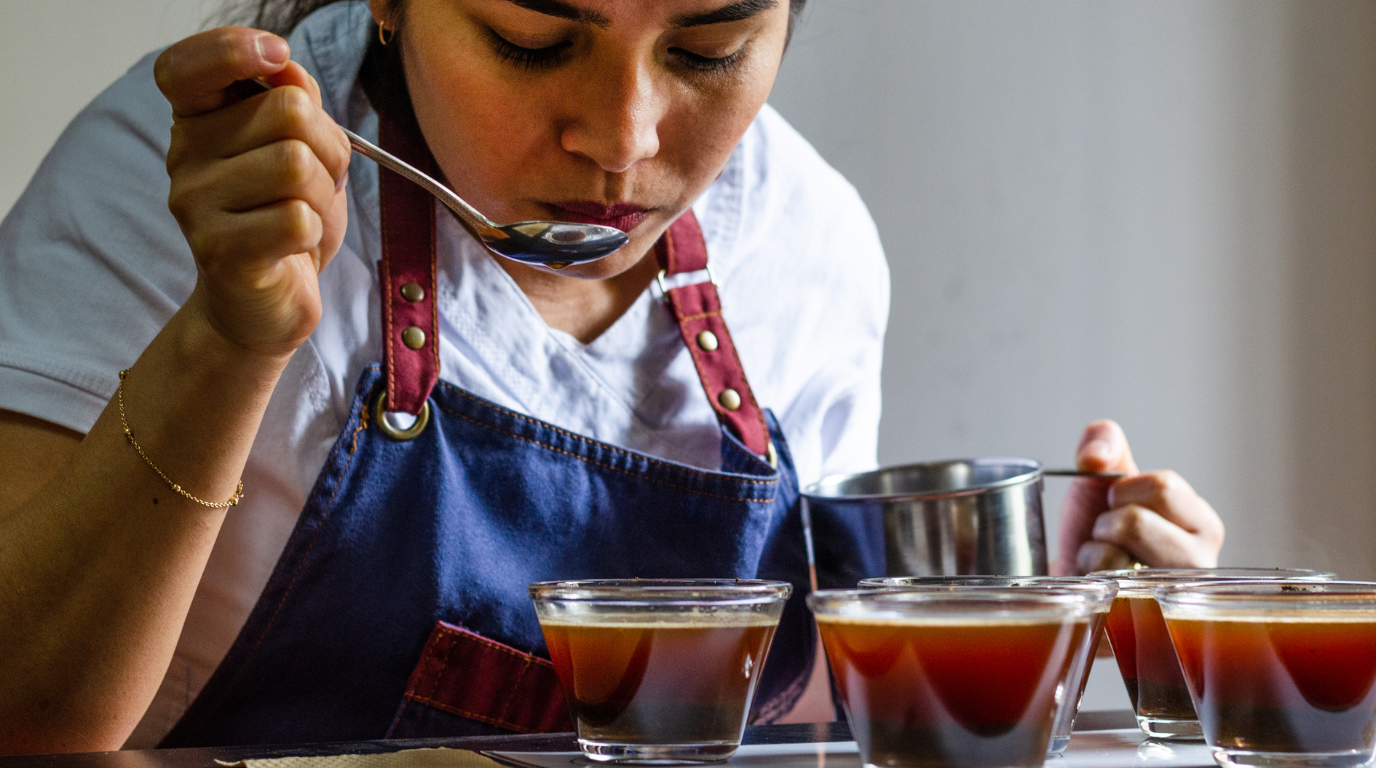

0 Comments
Be the first to share your thoughts.
Leave a comment
Please sign in with your email to leave a comment.